An enviable legacy encapsualated in just four notes
Classical music’s most recognisable opening bars is a call to actin. It also launches a symphony that illustrates Beethoven’s musical innovation. In the right hands, his Fifth still has the potential to jolt.
Rameau Les Indes galantes
Saint-Saens Piano Concerto No. 5 in F major, ‘Egyptian’
Jay Cappernauld Bruckner’s Skull
Beethoven Symphony No. 5 in C major
Alexandre Kantorow piano
Scottish Chamber Orchestra
Maxim Emelyanychev conductor
🔊 https://www.bbc.co.uk/programmes/m002fwzx
Updated 26th July 2025 with review and gallery
Review
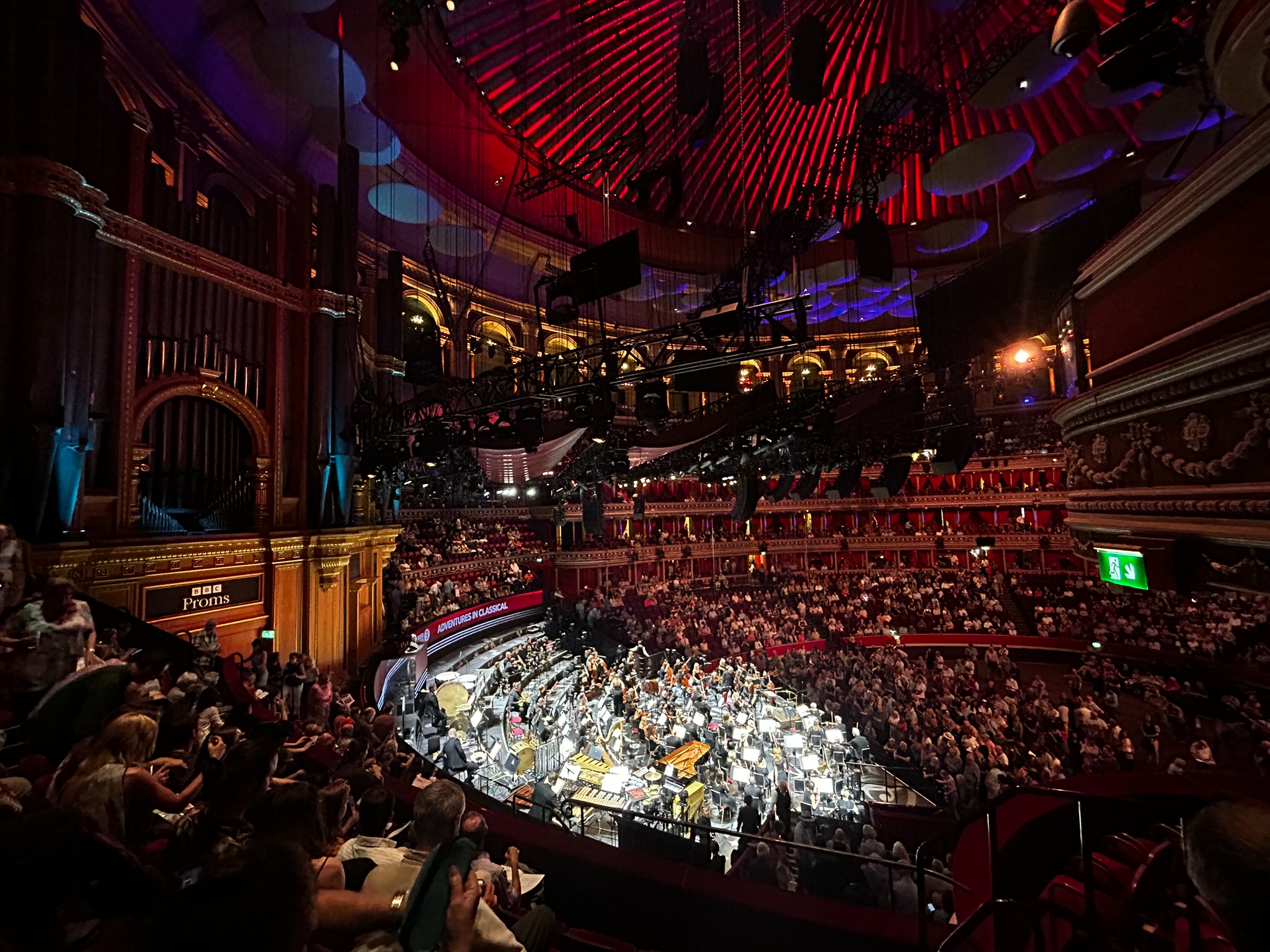
A pattern is emerging in the first week of Proms concerts that suggests a broadcast-led strategy focussed on audience development. Scottish Chamber Orchestra’s programme of Rameau, Saint-Saens and Beethoven is another example: sounds that don’t scare the horses. This in itself isn’t a problem. This strategy (no doubt shaped by how this concert will itself be broadcast on TV later in the season) makes it more likely that curious first-time listeners are going to want to continue listening. But it also hints at a shift how programmes are put together, with running orders appearing to be shaped as much by the demands of television as by radio — the concert hall serving broadcast, rather than broadcast relaying the concert. If that’s the case, then this more cohesive multi-channel strategic approach shows how TV is more integrated in programming. The compromise for some will be most keenly felt in the works, in turn explaining why quite a lot of the Proms season this year isn’t so much dumbed down as simply safe.
[optin-monster-inline slug=”h11qypsvdjowbhlhhu7v”]
Saint-Saens’ material in the Piano Concerto No. 5 leaves me cold. It meets the criteria for entertainment in all its gilded decoration and virtuosic flourishes, but it feels as though it resists emotional development by maintaining attention with surface-level contrasts. The third movement in particular feels like roller-coaster material teeming with bonbons but lacking any nutritional benefit. Given pianist Alexander Kantorow’s dedication to Saint-Saens’ piano concertos (he’s , the booking is understandable pragmatism. But given the way that some hyped this appearance, I wanted more weight. I hope that when he returns (the back-announcement – “I’m sure he’ll be back” twice heard this week – is surely the strongest hint he’s already booked for next year).
Jay Capperauld’s Bruckner’s Skull is an entertaining listen. Evocative orchestrations right from the off. The opening bars established with a creaking hinge-like pulse secures attention before a fuller technicolour picture emerges. It’s highly cinematic in its overall effect (there are some delicious orchestrations throughout) but the flip side to the immediacy of its musical narrative does leave me feeling bereft of a visual element.
When I was a teenager I got consumed by the energy in Beethoven’s 5th. It was a cheap recording of what I now appreciate forty or so years later was probably a ropey performance, but there was something hugely satisfying about it then I couldn’t put my finger on until now: its ‘defiant optimism’, as Ian Skelley described it in his radio introduction.

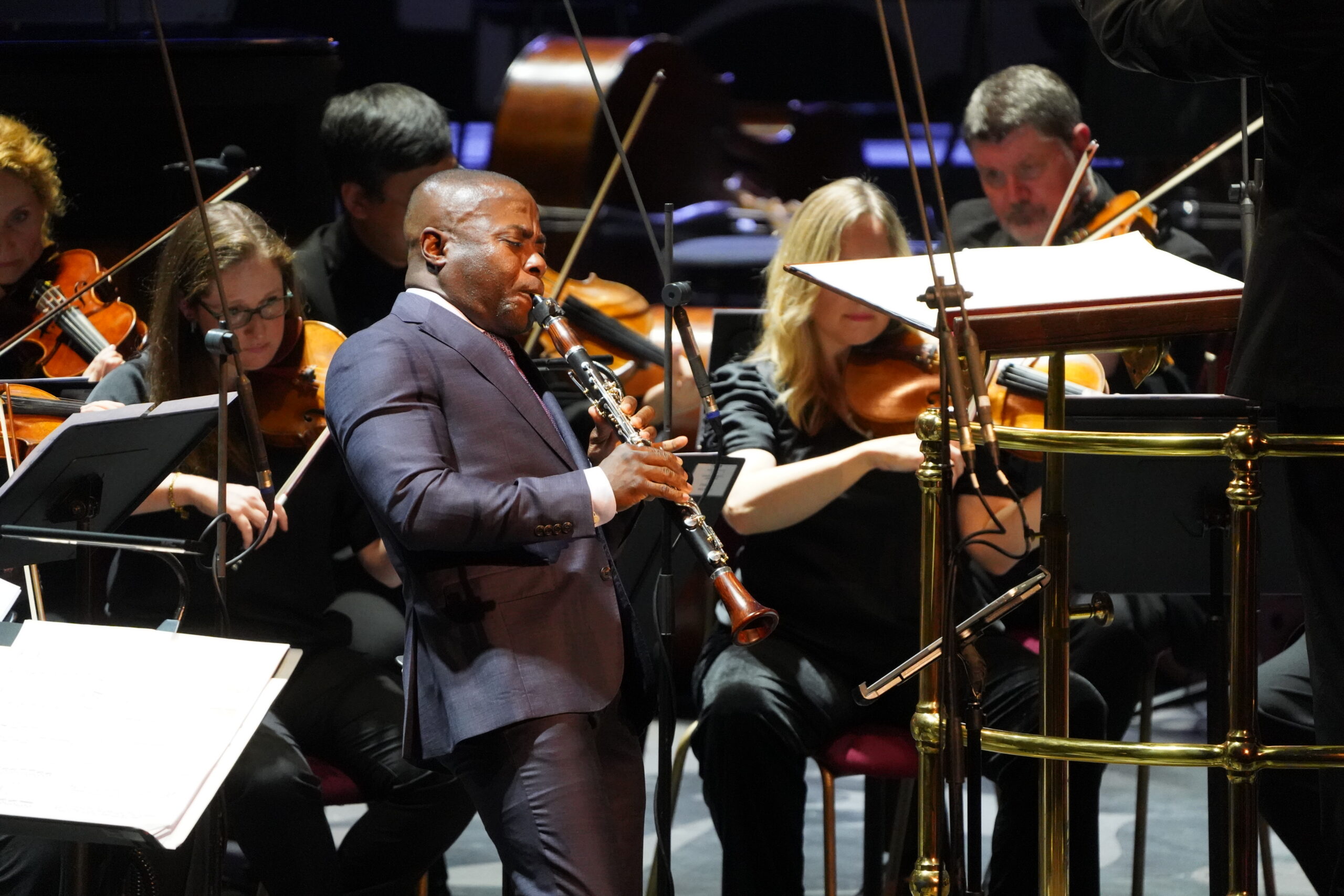
Maxim Emelyanychev conductor with the Scottish Chamber Orchestra 📷 Mark Allan / BBC
In the Scottish Chamber Orchestra’s prompt and urgent summoning of the first movement, there’s a gritty determination too. Lean strings work hard to create a meaty sound when required, nimbly alternating razor thin notation in the upper registers, with bruising legatos in the middle register where violas are given a spotlight too often overlooked.
The second movement maintains an elegance throughout, with a lack of vibrato in the strings lending proceedings a rawer-edged sophistication. There’s more gritty string playing making light invigorating work in the intricate musical chase – with rattling bows adding bite – that characterises the contrasting trio of the third movement; the pianissimo pizzicato sequence that follows is utterly divine.
As the sun breaks over the horizon, the triumphant arrival at the fourth movement avoids the worthy weightiness normally insisted upon by some. Conductor Maxim Emelyanychev remains committed to moving at pace and this is no bad thing either. Defiance and determination have been rewarded with the joyous abandon of hard-fought relief. If ever there was a performance that manifests a Thoroughly Good dream — and helps me finally understand why this work wasn’t simply enjoyed but needed when I was a teenager — this was one of them. A standout performance so far in this season devoid of bells and whistles.
Gallery
📷 Mark Allan / BBC


Stream Beethoven’s Fifth from the BBC Proms on BBC Sounds/BBC Radio 3
For the Avoidance of Doubt
Thoroughly Good is an independent website making the case for classical music — part commentary, part curiosity cabinet.
Classical music’s best friend, if it needed or wanted one.
Help Keep The Lights On
Support Thoroughly Good with a one-off contribution, or a modest recurring subscription.
It won’t change the world, but it might cover lunch. Maybe even a bill or two.