Category: NEW
-

Podcast 242: Gavin Higgins and Mark Simpson introduce Higgins’ new clarinet concerto
Gavin Higgins: It’s a clarinet concerto. It’s just a very big clarinet concerto.
-
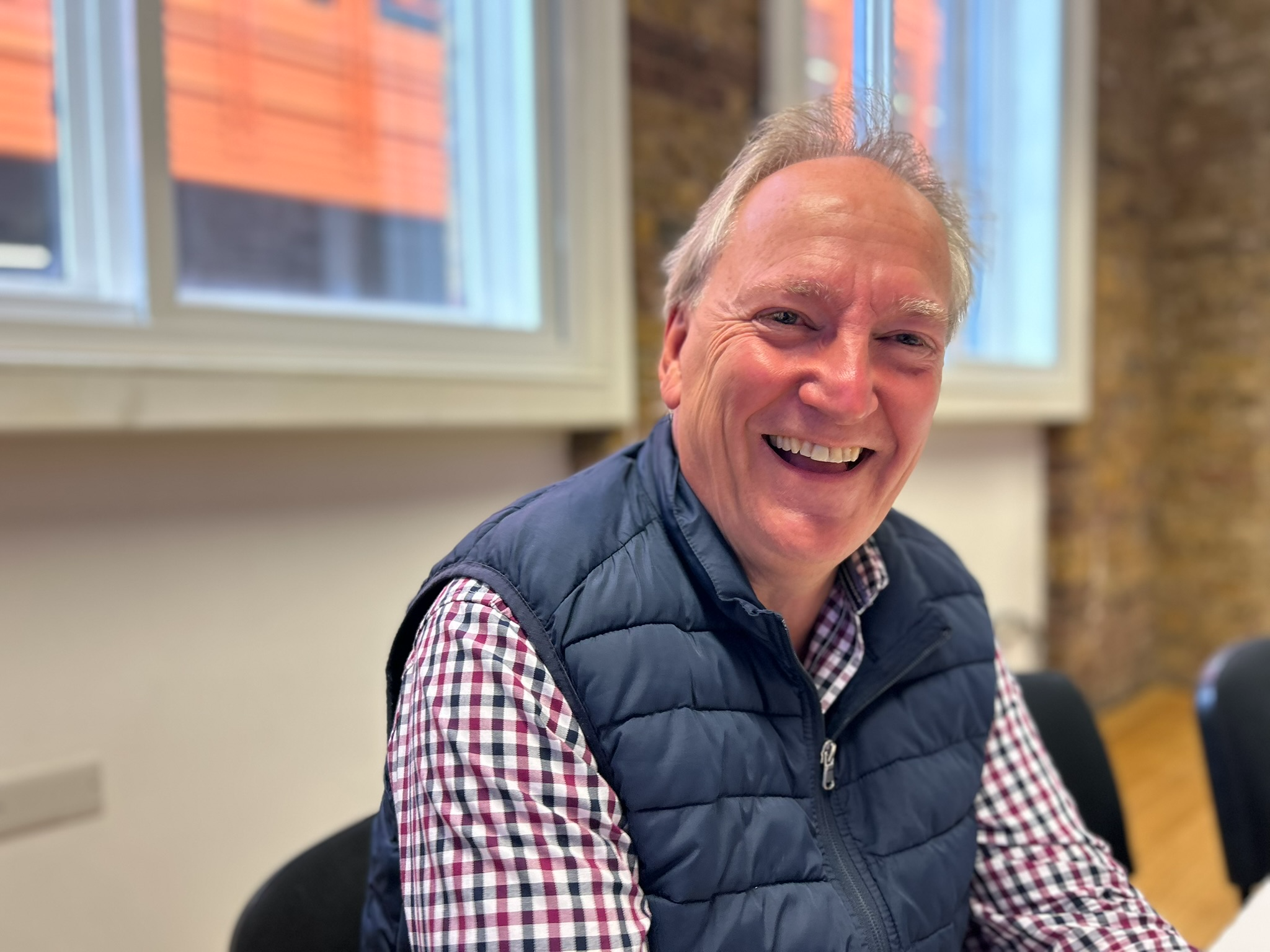
Podcast 241: Nigel Short on 25 years of Tenebrae
Tenebrae began with no plan, no name and a dinner Nigel Short tried to get out of. Twenty-five years on, the choir marks its anniversary with concerts and a new album, The Journey.
-
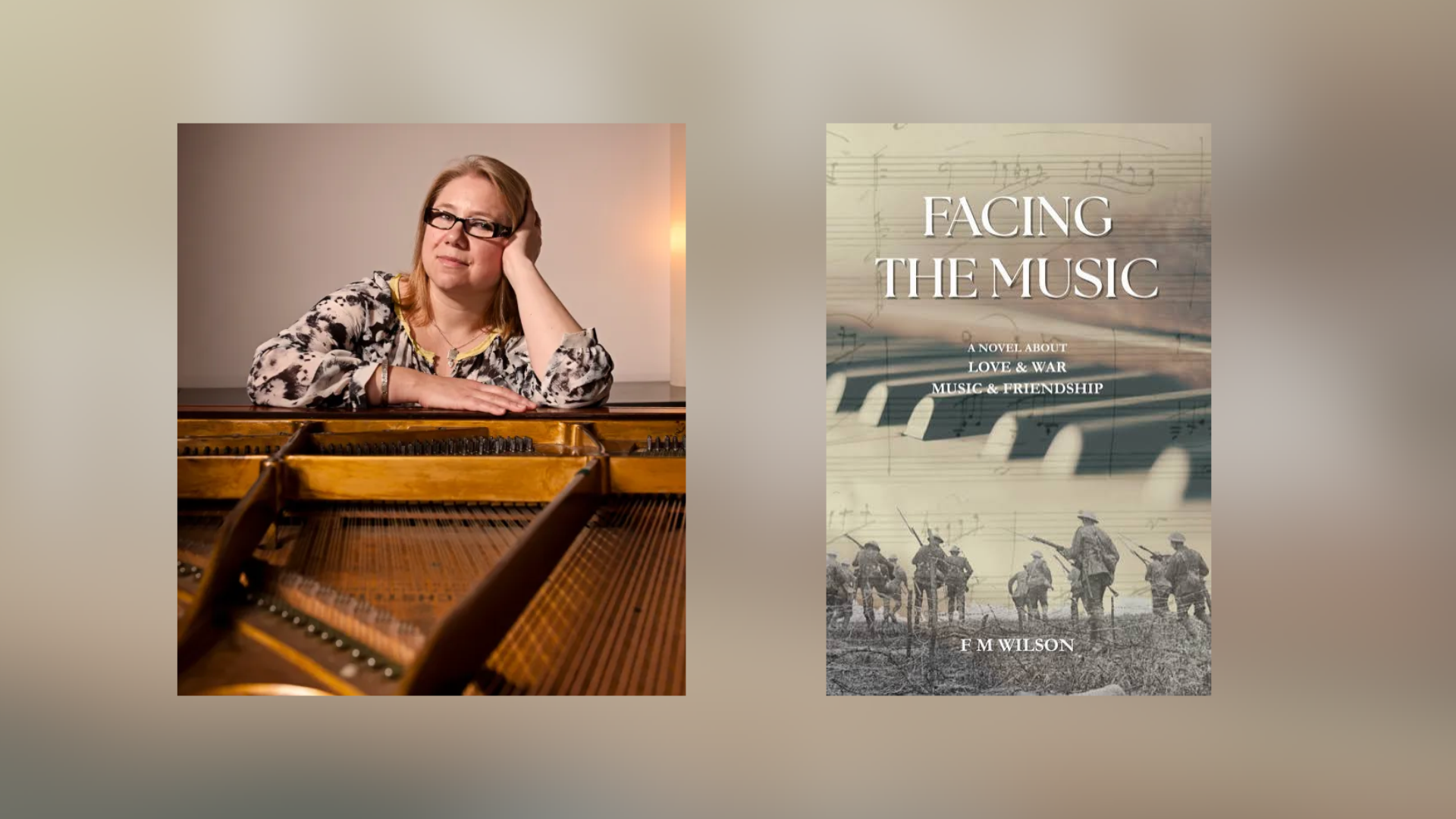
Podcast 240: Author Fran Wilson talks about her new book ‘Facing the Music’
The writer behind The Cross-Eyed Pianist and Meet the Artist websites, explores the experience of listening in her new book, ‘Facing the Music’.
-
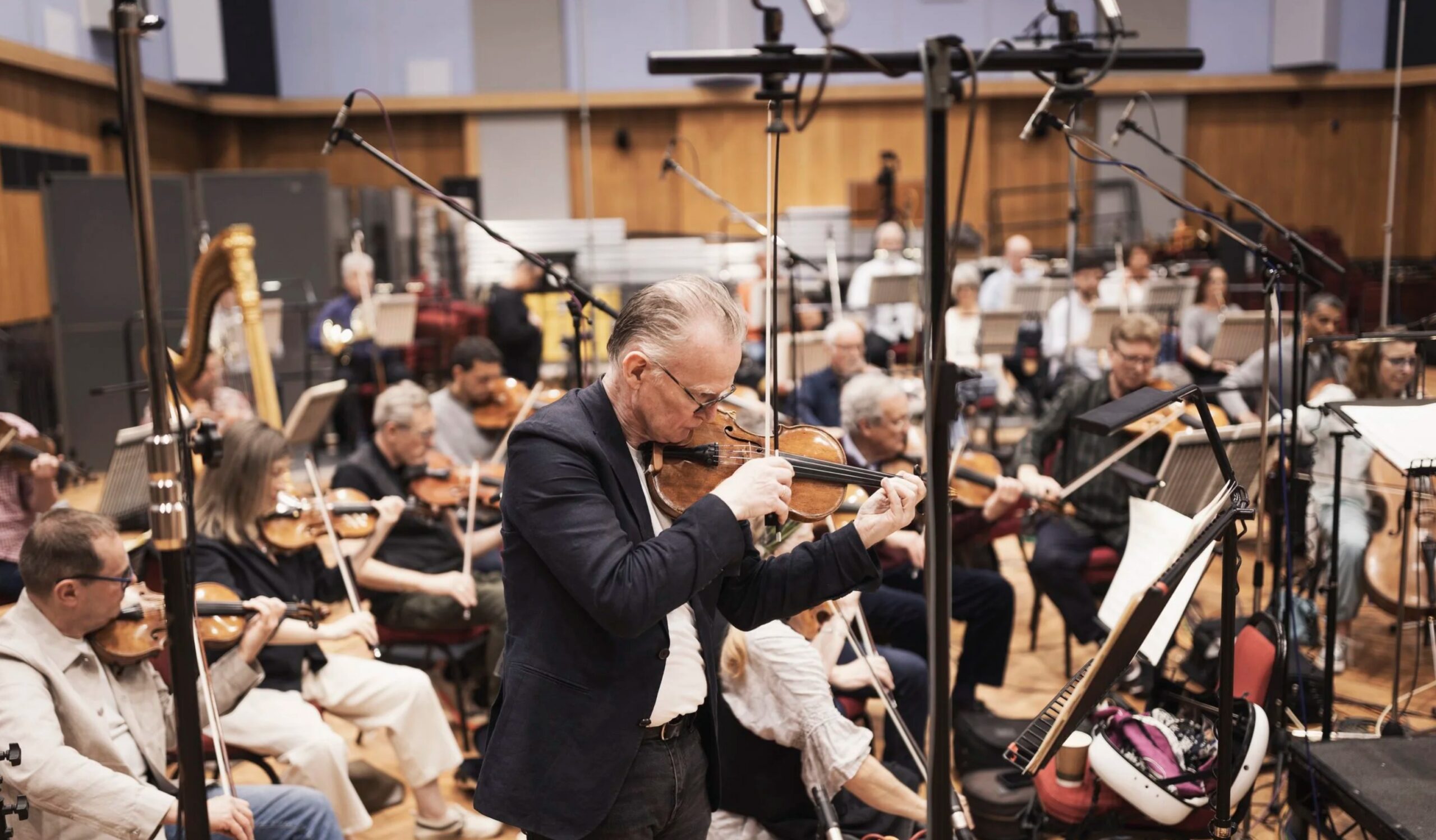
Podcast 239: Thomas Bowes & Eleanor Alberga
Does the world need another recording of the Elgar Violin Concerto? Yes, it does. Especially one that celebrates a lifelong musical partnership.
-

BBC Radio 3’s RAJAR Q2 2026: Breakfast Up, Unwind Up, Core Radio 3 Down
Core Radio 3 is down on its previous quarter, though its ‘brand extension’ sees a modest increase.
-
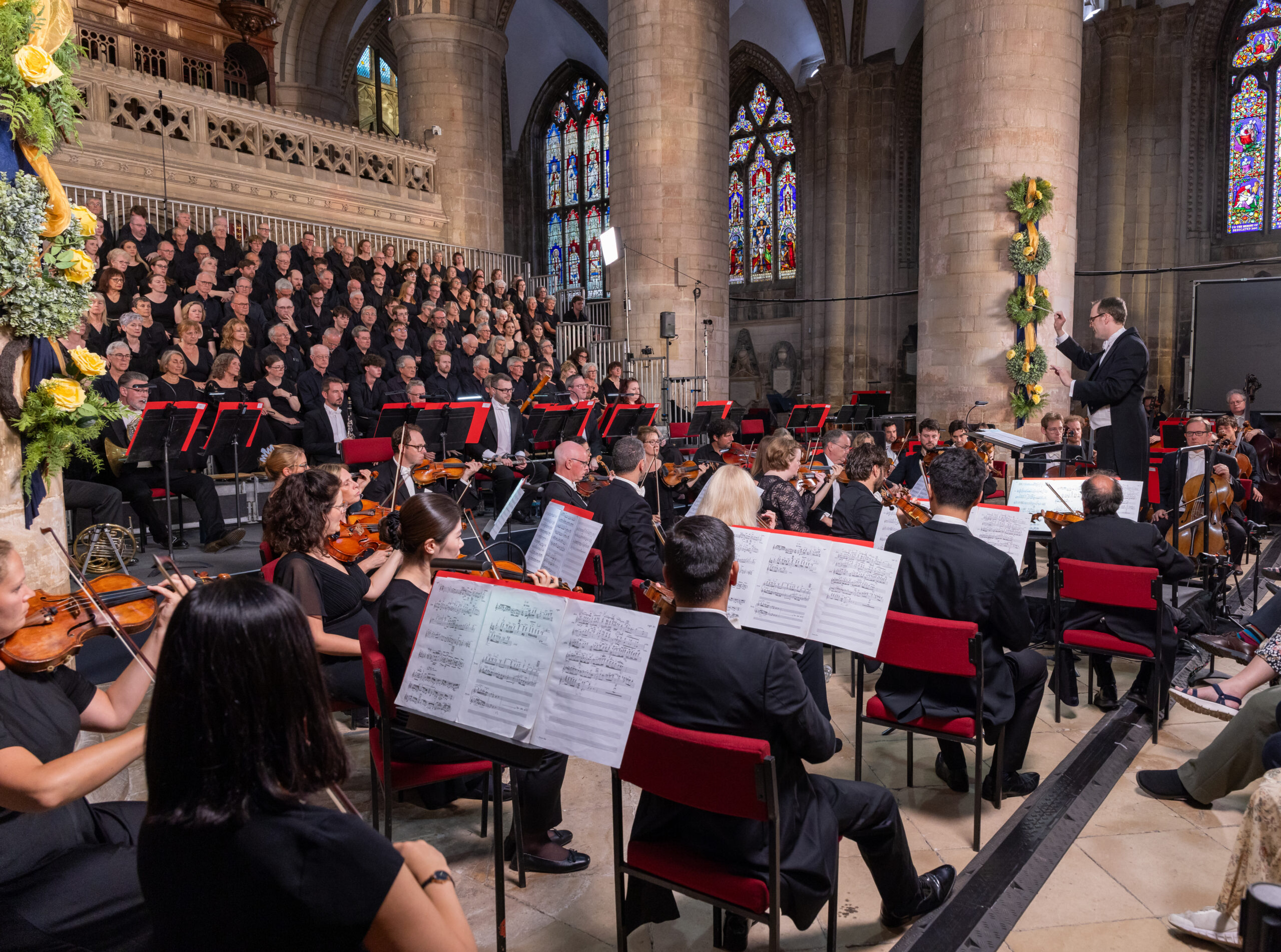
Podcast 237: Three Choirs 2026 at Gloucester with Grace Evangeline-Mason
A scrapbook in sound: voices, reflections and field recordings from Three Choirs Festival 2026 in Gloucester — a postcard from two life-enhancing days.
-
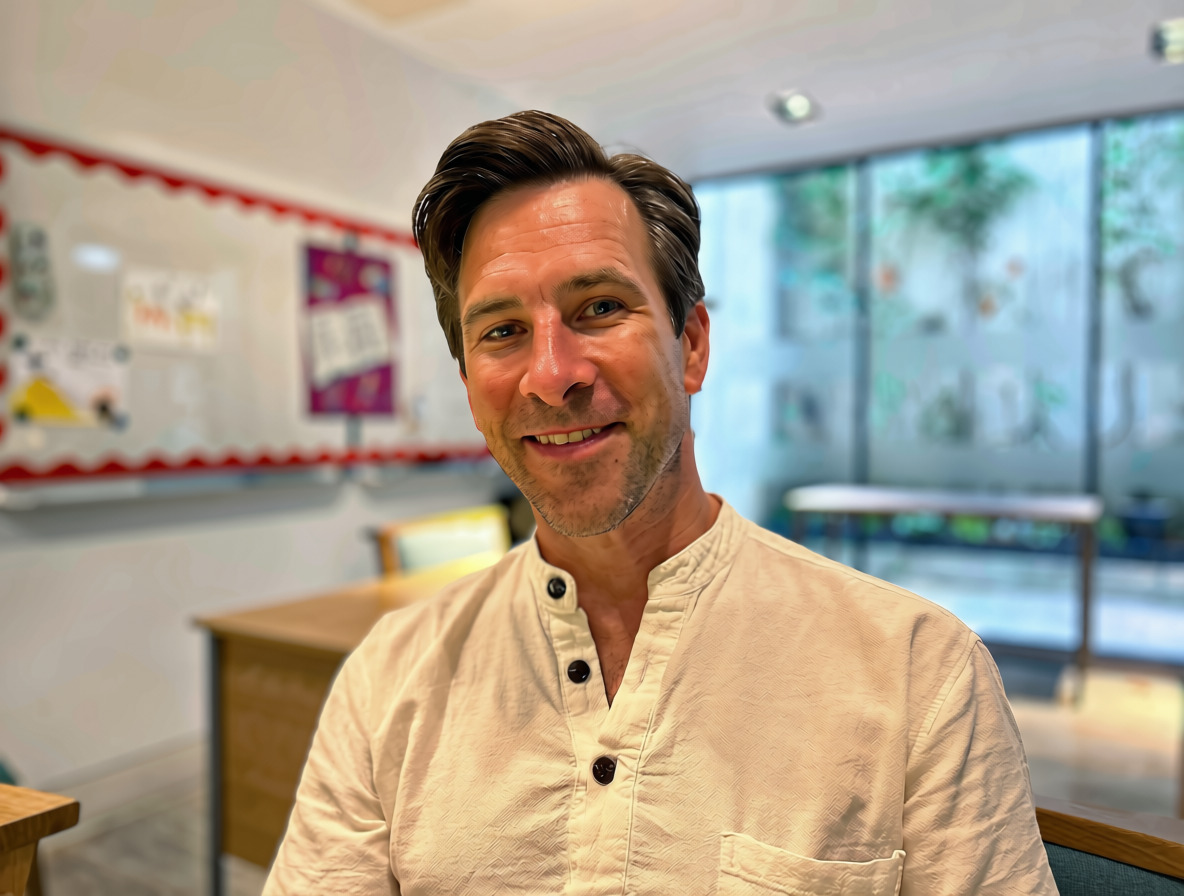
Podcast 236: Cellist Guy Johnston on Britten’s Cello Symphony
Guy Johnston on Britten, the Proms, and neuroscience
-

Podcast 235: Pianist and Composer Beatrice Nicholas
Élisabeth Jacquet de la Guerre isn’t a name many will recognise — despite an opera that reached the Paris stage in 1694, two books of biblical cantatas published three years apart, in 1708 and 1711, and a career that ran for decades either side of those dates.
-
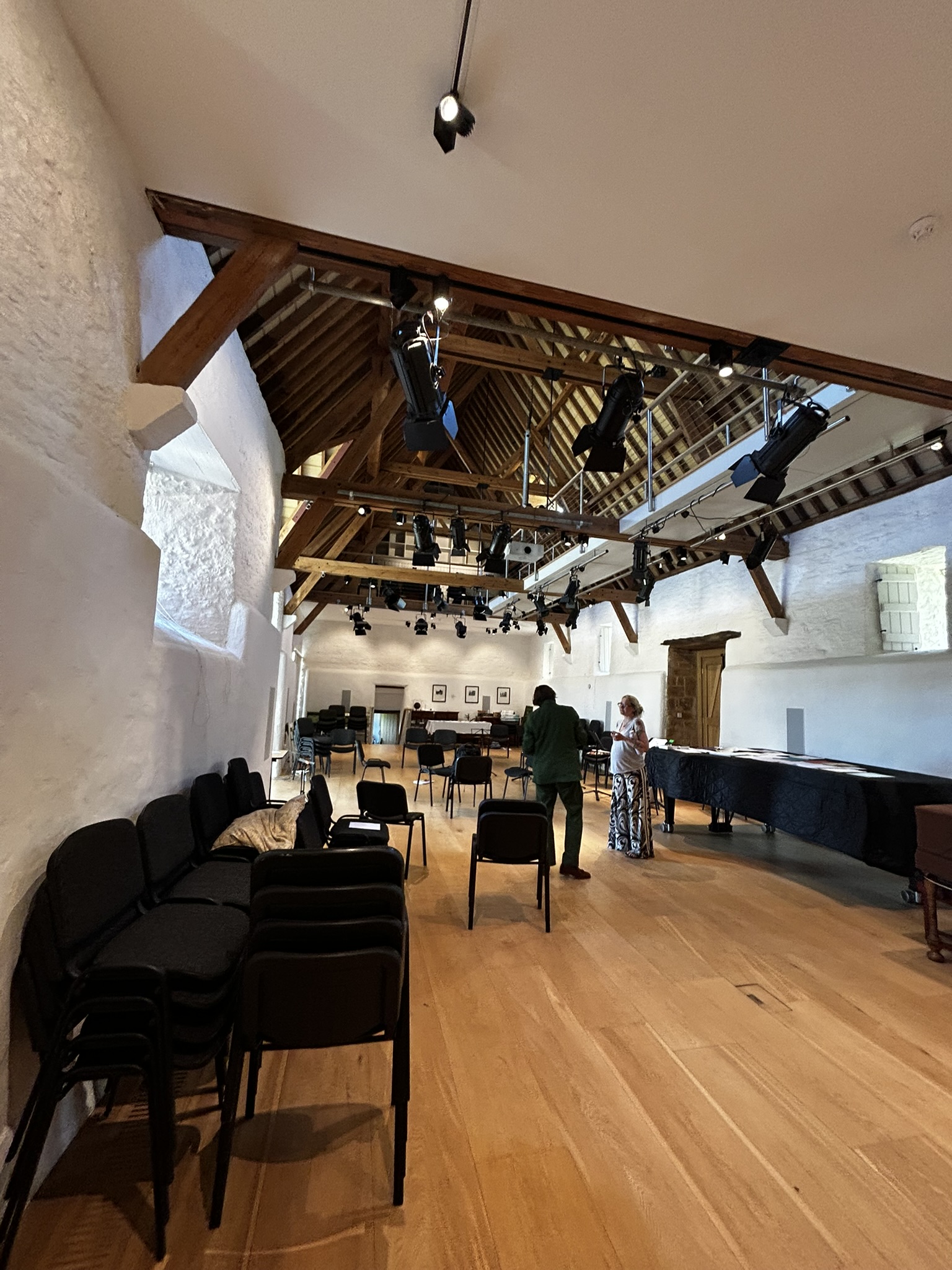
Podcast 234: Laura Bowler and the Cheltenham Music Festival’s Composer Academy
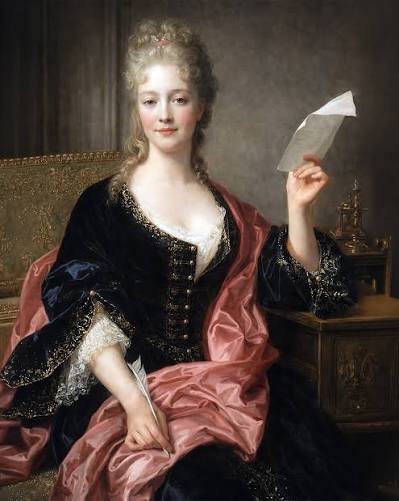
Élisabeth Jacquet de la Guerre isn’t a name many will recognise — despite an opera that reached the Paris stage in 1694, two books of biblical cantatas published three years apart, in 1708 and 1711, and a career that ran for decades either side of those dates.
-
Podcast: 233 – ‘Belly of the Beast’: Mahogany Opera and Dunedin Consort at Edinburgh, Aldeburgh and Spitalfields 2026
Élisabeth Jacquet de la Guerre isn’t a name many will recognise — despite an opera that reached the Paris stage in 1694, two books of biblical cantatas published three years apart, in 1708 and 1711, and a career that ran for decades either side of those dates.