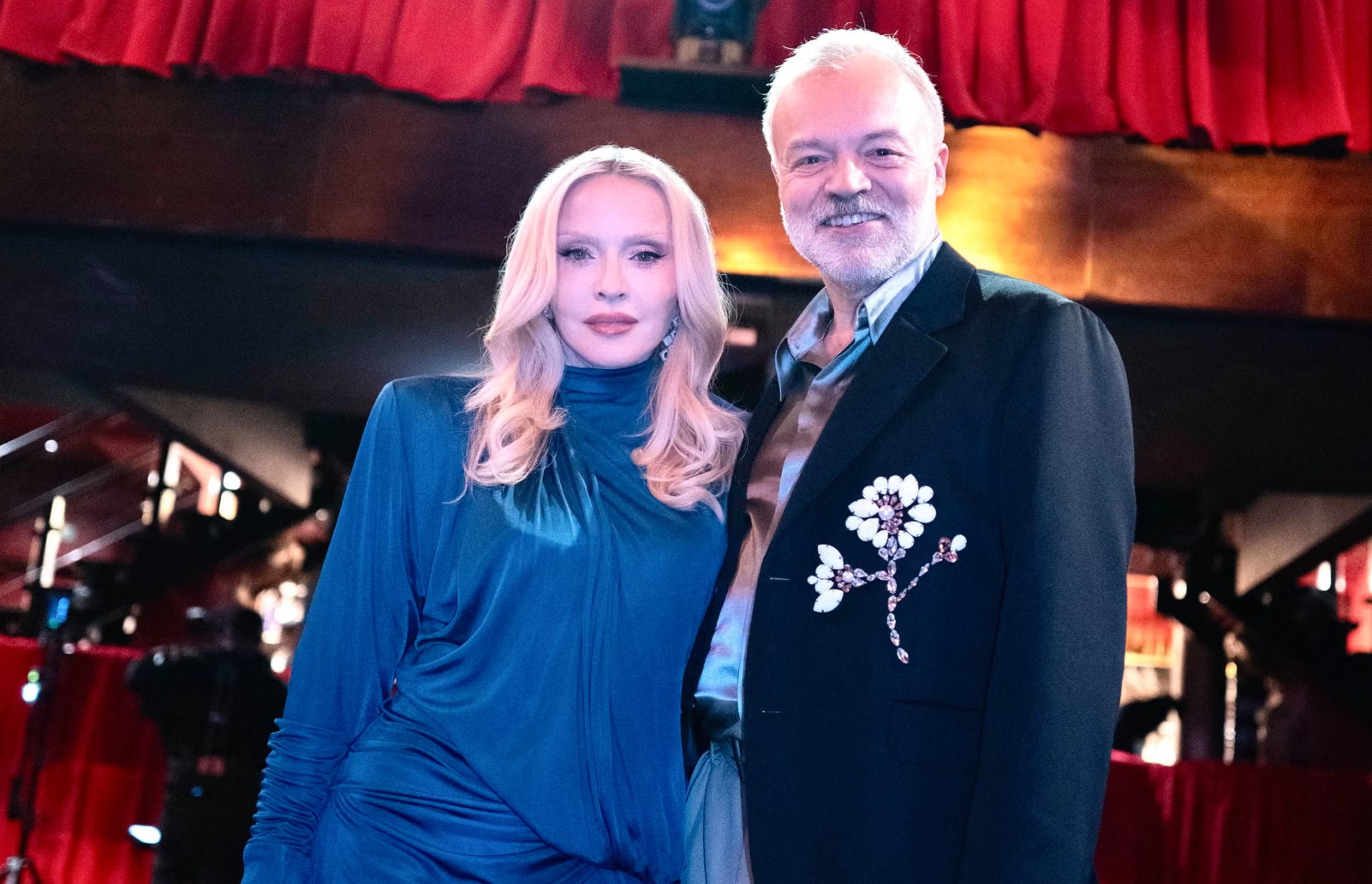
BBC Radio 3 claims growth. The data suggests flatlines. In this Thoroughly Good Podcast episode, Controller Sam Jackson is pressed on audiences, the BBC Proms, and what cultural leadership really means in today’s financially stretched BBC.
Is Sam Jackson a programme maker, a strategist, or a cultural leader? Can Radio 3 really claim growth when its reach fluctuates and its share remains static? What does it mean to call 45–64 year-olds “young” in Radio 3’s world? And how should the Proms be understood: as a concert festival, a broadcast brand, or both?
These were some of the questions that popped up in conversation with Sam Jackson, Controller of Radio 3 and Director of the Proms, recorded for the Thoroughly Good Classical Music Podcast mid-way through the Proms 2025.
That Jackson describing himself as a programme maker at heart points how that which is most well-known – heading up Classic FM – perhaps overshadows his ‘stock and trade’. With significant changes already made at Radio 3 and big listening listening figures vindicating many of them, its no surprise then that Jackson concedes that strategy now dominates much of his thinking and work. The ambiguity between the two and the impact that has on his identity and responsibility both for the industry and the audience drove our discussion.
Little wonder Jackson defended Radio 3’s claim of “six consecutive quarters of growth” (it was five in the original story) even when I pressed him on recent RAJAR figures that showed a spike in reach and the same fluctuating audience share. In March 2025, the station reported 2.148 million listeners, its highest reach since the pandemic. By June it had fallen back under two million. This share figure — stuck at 0.2–0.3% for two years — suggests the revamp hasn’t yet succeeded in broadening the audience beyond the core who remain loyal. That contradiction between the BBC’s growth narrative and the underlying data was hard to ignore.

There was an interesting and perhaps even reassuring perspective offered when the Radio 3 boss expanded on what audience he saw the station prioritising. This ‘replenisher’ audience as its known is not Gen Z as some commentators will always bemoan changes are targeted at. Instead, “youth” in Radio 3’s world is 45–64 year-olds: a surprising reveal that captures both the station’s demographic reality and the age group management is now pinning the station’s future on. “They are young in my world,” said Jackson, now 41 years old. For some, that will be disheartening. For others, it’s a pragmatic assessment of where opportunity lies, and perhaps makes the goal more achievable. It also strips out some of the unnecessary gaslighting some inadvertently indulge in when complaining about the white and grey heads in auditoriums.
While Jackson’s programme making passions are obvious (he’s a great talker with a constant eye in the moment on how things might need to be edited), his experience as Classic FM’s former Managing Director and later a senior executive at Universal comes through. This was originally used as a stick to beat him with before he’d even embarked on his BBC re-entry. Yet, the more accurate impact this experience brings is the way he speaks in a way more closely aligned with the record industry than his predecessors perhaps revealed so readily. At the same time, there’s a refreshing if sometimes unsettling willingness to be both transparent and enthusiastic, something that goes against the assumptions most have of any BBC executive.
Taken together, these qualities suggest someone who is not only seeking to grow audiences but also positioning Radio 3 and the Proms within a broader BBC content strategy. Yet this raises questions: is that integration about advocacy for classical music, or about aligning with corporate storytelling? Measuring that success will take longer than everyone is hoping for. And while listening figures will always tell a story, we should be wary of leaning too heavily on them. The real test will be whether a broader trend emerges: one that extends beyond broadcast to include a wider appetite for classical music in concert halls, on air, and on streaming platforms.
Help Keep The Lights On
Support Thoroughly Good with a one-off contribution, or a modest recurring subscription.
It won’t change the world, but it might cover lunch. Maybe even a bill or two.
We all instinctively understand the role Radio 1 plays in supporting pop and rock — how it helps develop artists, fuels consumption, and sustains a commercial ecosystem around the music. What’s striking in this conversation is how that same link is being articulated more clearly for Radio 3 and classical music. The suggestion is that Radio 3’s role may now be shifting towards stimulating appetite among a replenishment group of 45–64 year olds. Whether this is realistic is an open question, but a useful measure for future accountability.
This matters because of the place Radio 3 still holds in the UK’s cultural landscape: a pillar for a small but determined industry, and one of the few national platforms for classical music. That makes credibility more than just a line in a press release — it’s the currency on which trust in the station rests. It’s also about something larger: Radio 3 is part of how culture is shaped, how appetite for the genre is created and fuelled.
All this then is about more than whether orchestras appear on television more often, whether schedules should be preserved or radically changed, or whether presenters are upbeat, knowledgeable or simply introducing the music being played. If the conversation around the station is dominated only by the most dedicated listeners, that risks deterring growth. And if those voices ignore the political, financial and editorial constraints the BBC faces, the result is a perception of classical music as an outpost or an island — apart, rather than connected.
That’s why this is interesting to keep an eye on. Not out of deference for the institution, but because understanding the role the BBC plays in the sector is vital. What emerges from Radio 3’s audience figures, programming choices and Proms strategy isn’t a guarantee of success — rather, it’s a chance to determine what the strategy actually is, and how it fits into a wider BBC narrative. Whether it works is an entirely different story.
Listen to Sam Jackson on the Thoroughly Good Classical Music Podcast
For the Avoidance of Doubt
Thoroughly Good is an independent website making the case for classical music — part commentary, part curiosity cabinet.
Classical music’s best friend, if it needed or wanted one.
Help Keep The Lights On
Support Thoroughly Good with a one-off contribution, or a modest recurring subscription.
It won’t change the world, but it might cover lunch. Maybe even a bill or two.