Tag: Aldeburgh Festival
-
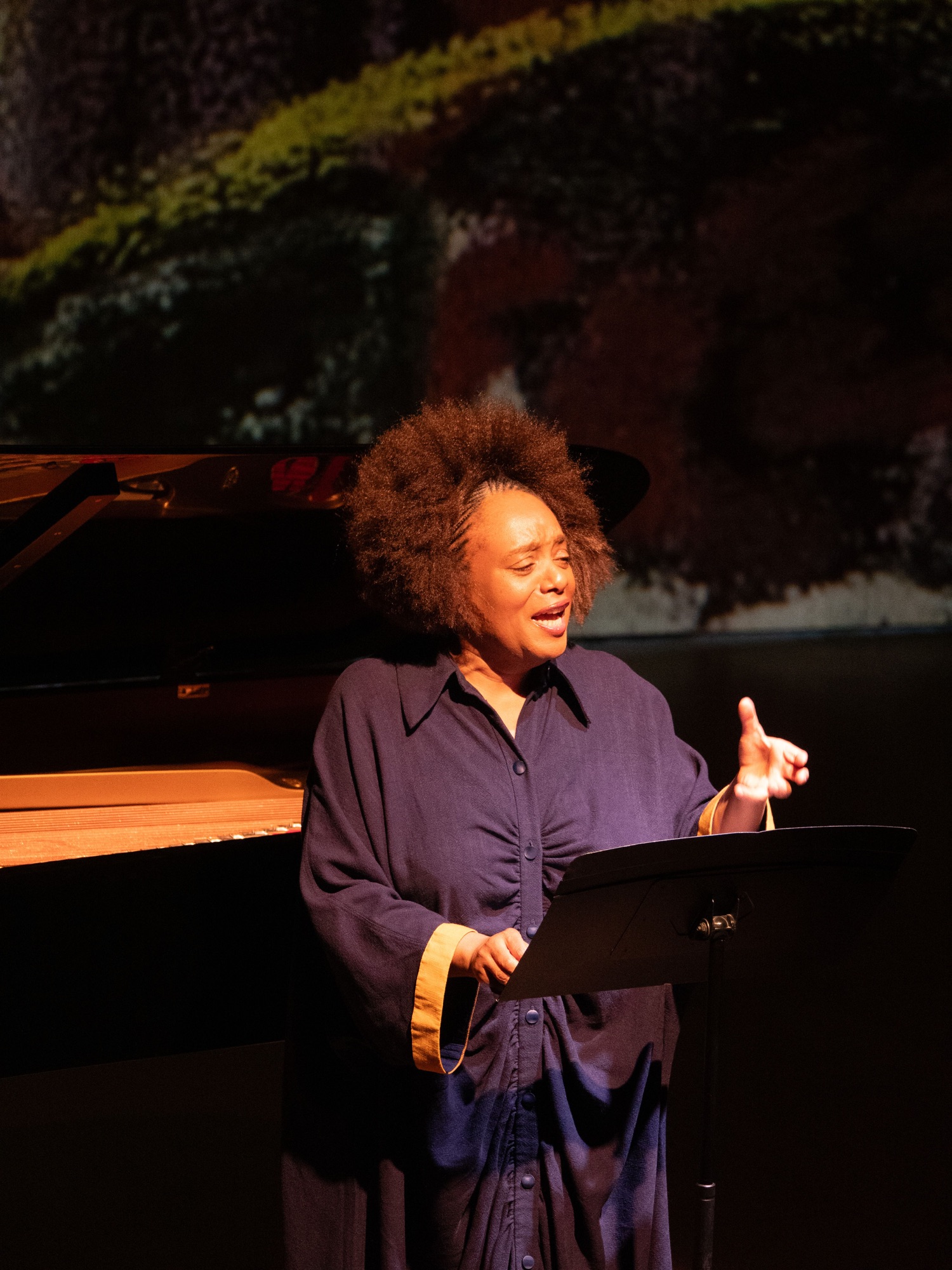
Journal – Finally getting Messiaen
Profoundly moving and deeply personal. Gweneth Ann Rand and Simon Lepper’s Aldeburgh performance of Messiaen’s Harawi was incredible.
-

Review – Blond Eckbert at Aldeburgh Festival 2024
A fast-paced opera complete with revelations and tragic consequences, Weir’s work was a fitting choice for the first day of the 75th Aldeburgh Festival.
-
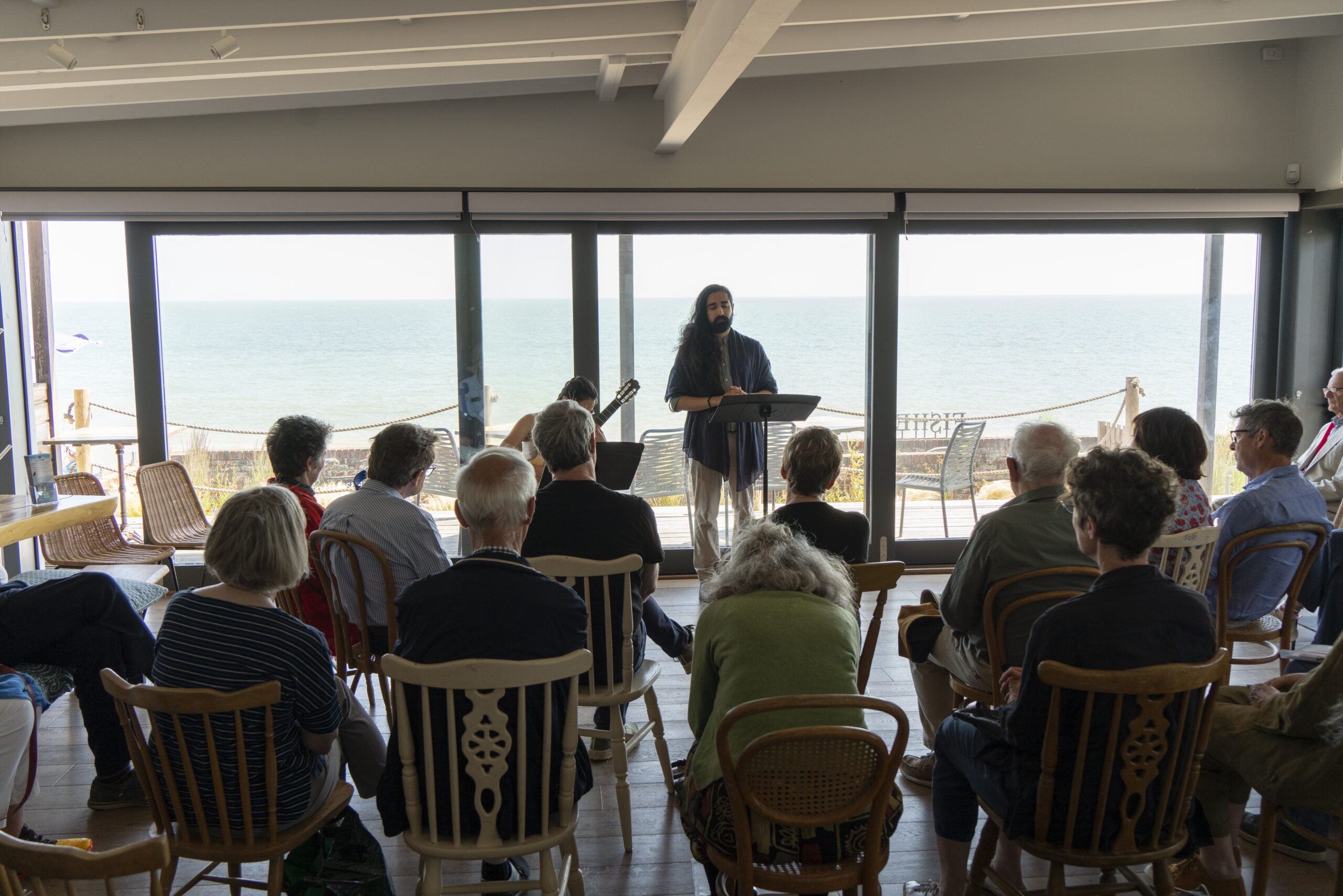
Britten’s Song Trail at Aldeburgh Festival 2023
An innovative series of concerts in different Aldeburgh locations
-
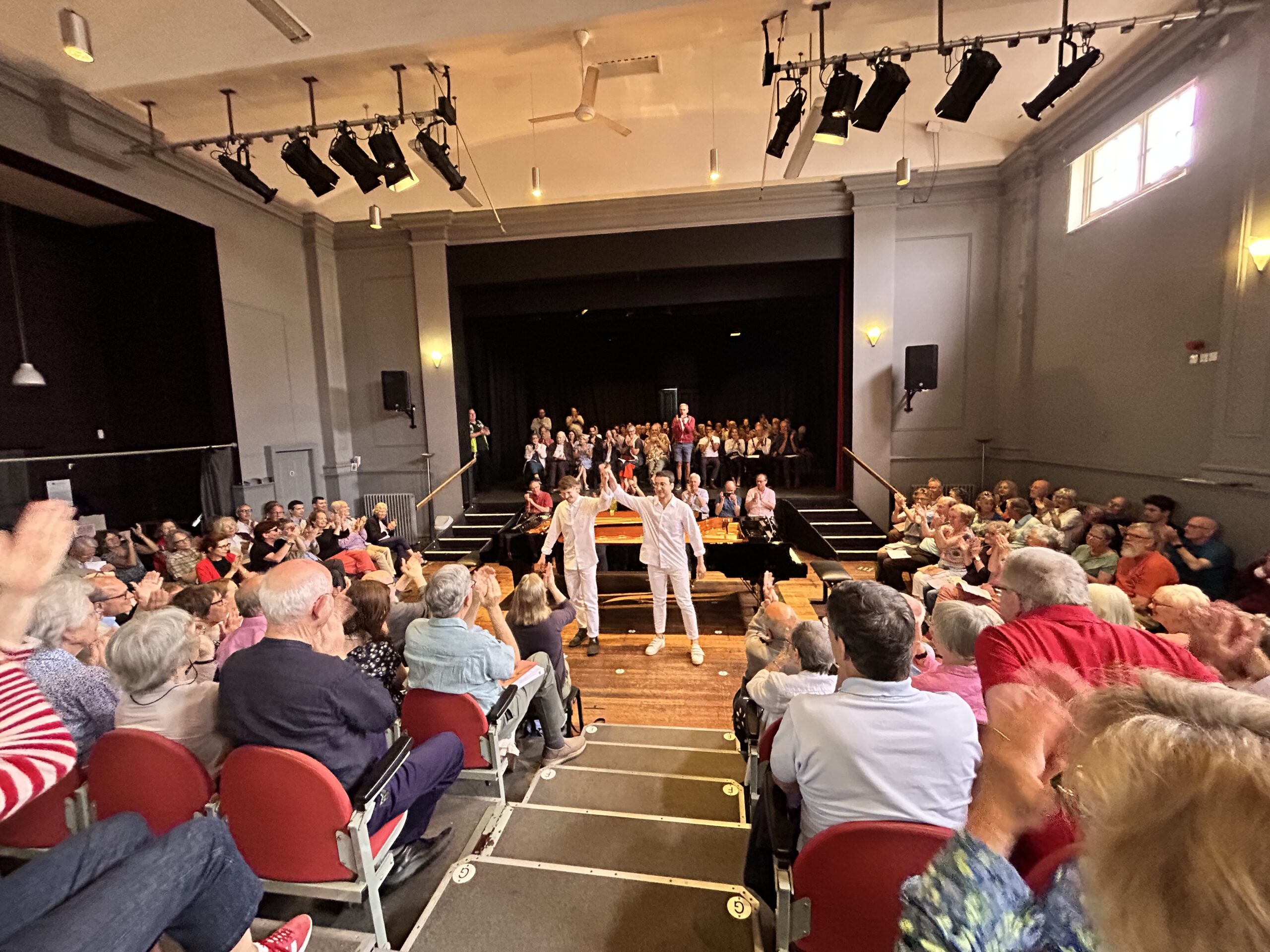
Review: Tsoy and Kolesnikov play Bach and Shostakovich at Aldeburgh Festival 2023
Easily the best thing at Aldeburgh this week.
-
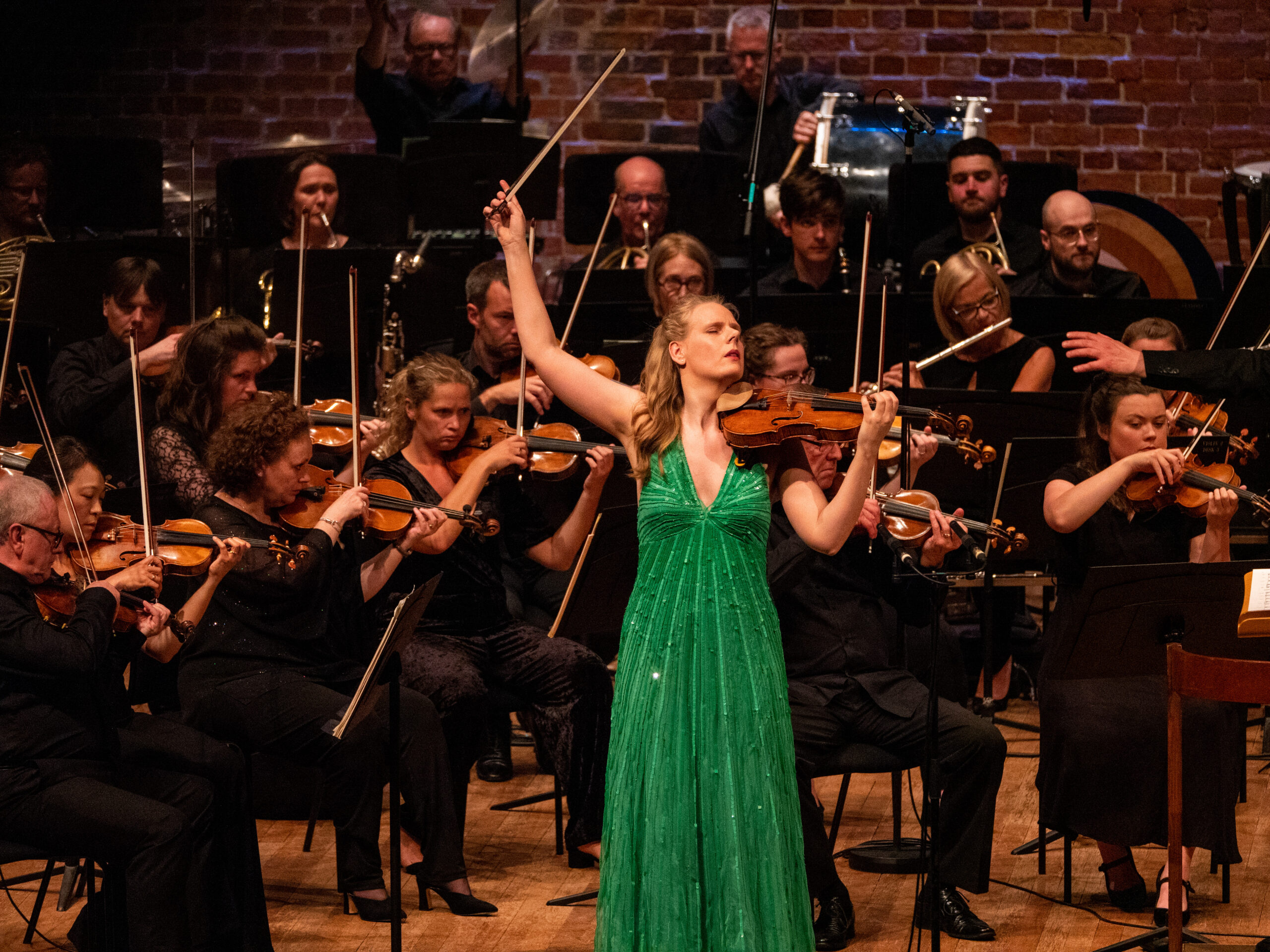
Review: BBC Phil plays Britten Violin Concerto and Sibelius 5 at Aldeburgh Festival 2023
Power and verve from the BBC Philharmonic and Simone Lamsma
-
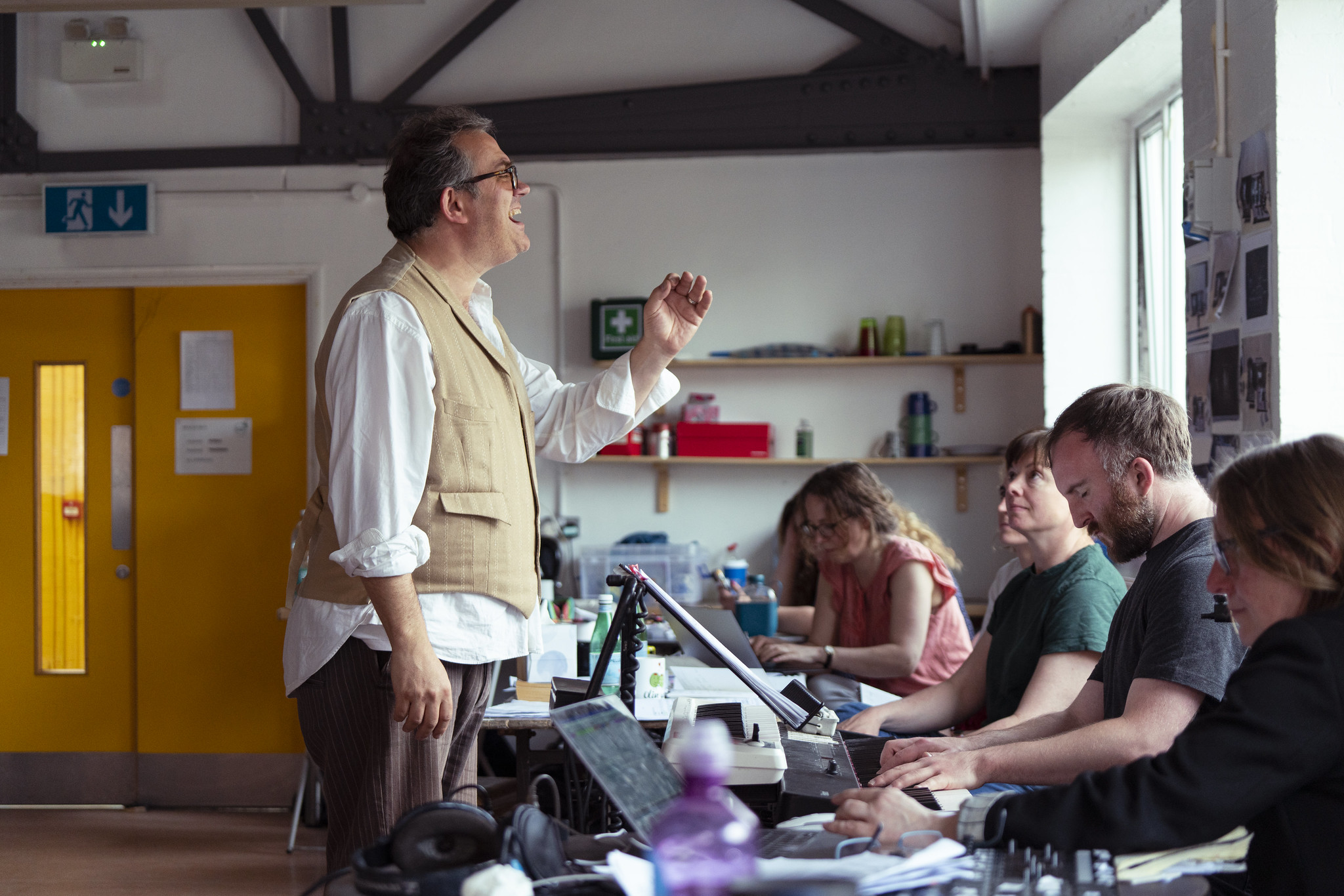
Composer Sarah Angliss talks about her new opera ‘Giant’ premiering at Aldeburgh Festival 2023
In conversation with composer Sarah Angliss.
-
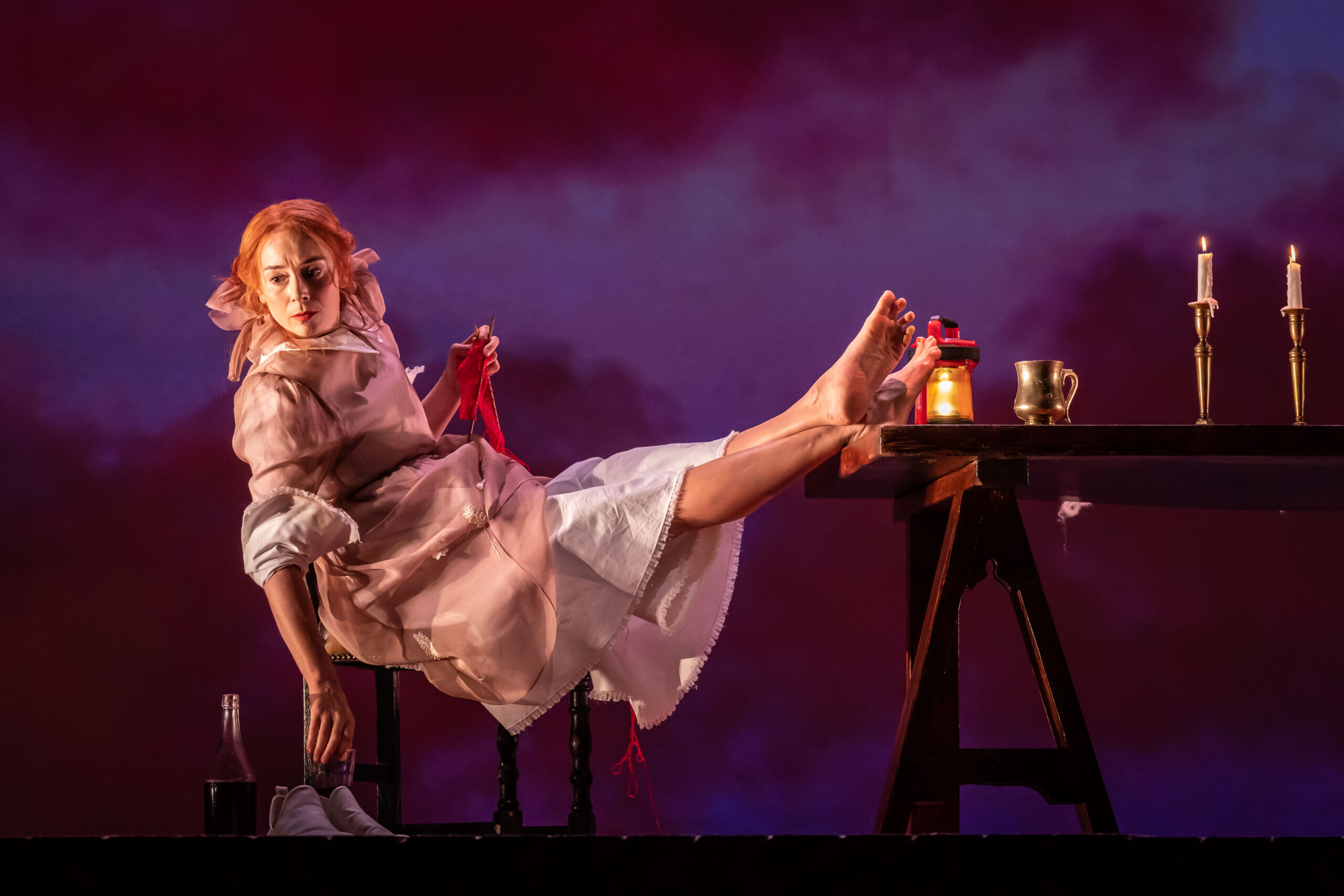
Aldeburgh Festival premieres ‘Violet’ by Tom Coult and Alice Birch
Tom Coult and Alice Birch’s ‘Violet’ opened the 2022 Aldeburgh Festival. The new opera is gripping, bleak, and thought-provoking.
-
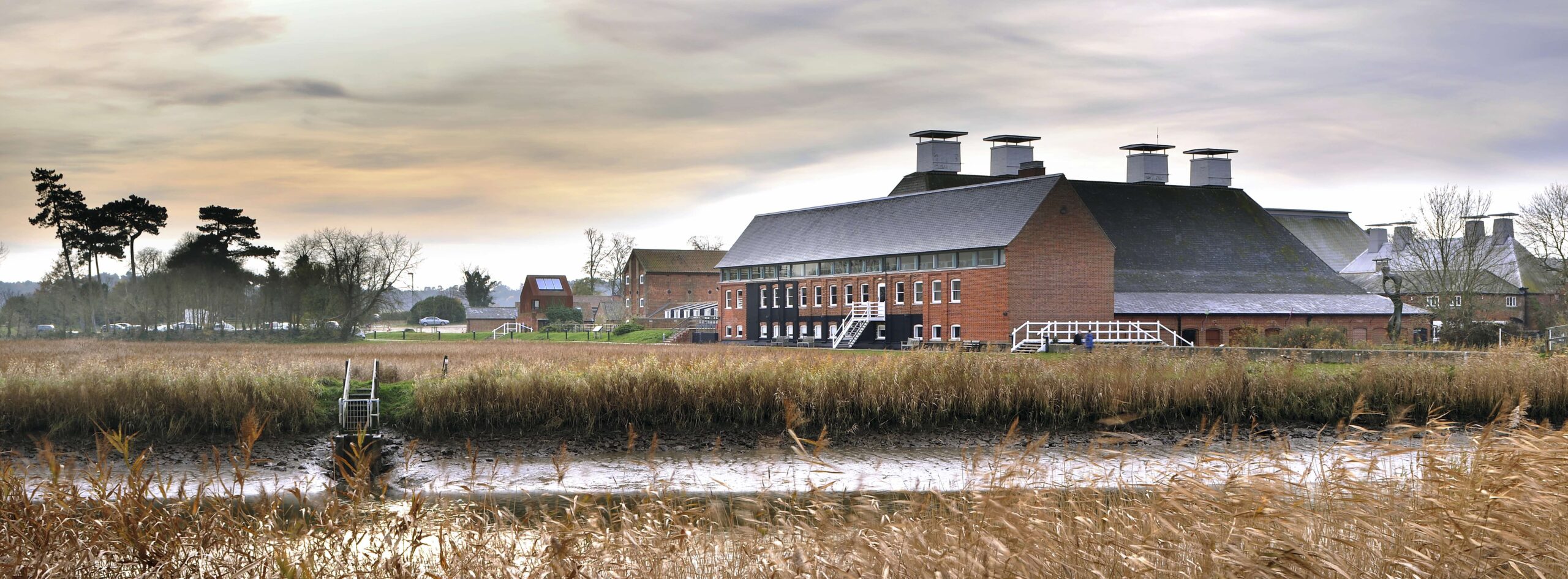
Line-up revealed for an extended Aldeburgh Festival running from 3-26 June 2022
41 premieres, a celebration of the Britten-Pears Young Artists Programme at 50, plus Benedetti, Simpson, Clare Hammond & Víkingur Ólafsson.
-

The (kind of) 2020 Aldeburgh Festival
If memory serves me correctly, 2020 is the first time the 72-year-old Aldeburgh Festival won’t be going ahead. No surprises why. COVID. This is notable because of the oft-told story of Benjamin Britten’s annual jamboree. Fire at Snape Maltings Concert Hall back in 1967 on the eve of that year’s festival might have threatened proceedings.…