War propels; love suspends. Monteverdi’s Eighth Book of Madrigals demands we hear the difference. In the Academy of Ancient Music’s Songs of Love and War, agitation found vivid theatrical embodiment, while love’s inward tension proved more fragile.
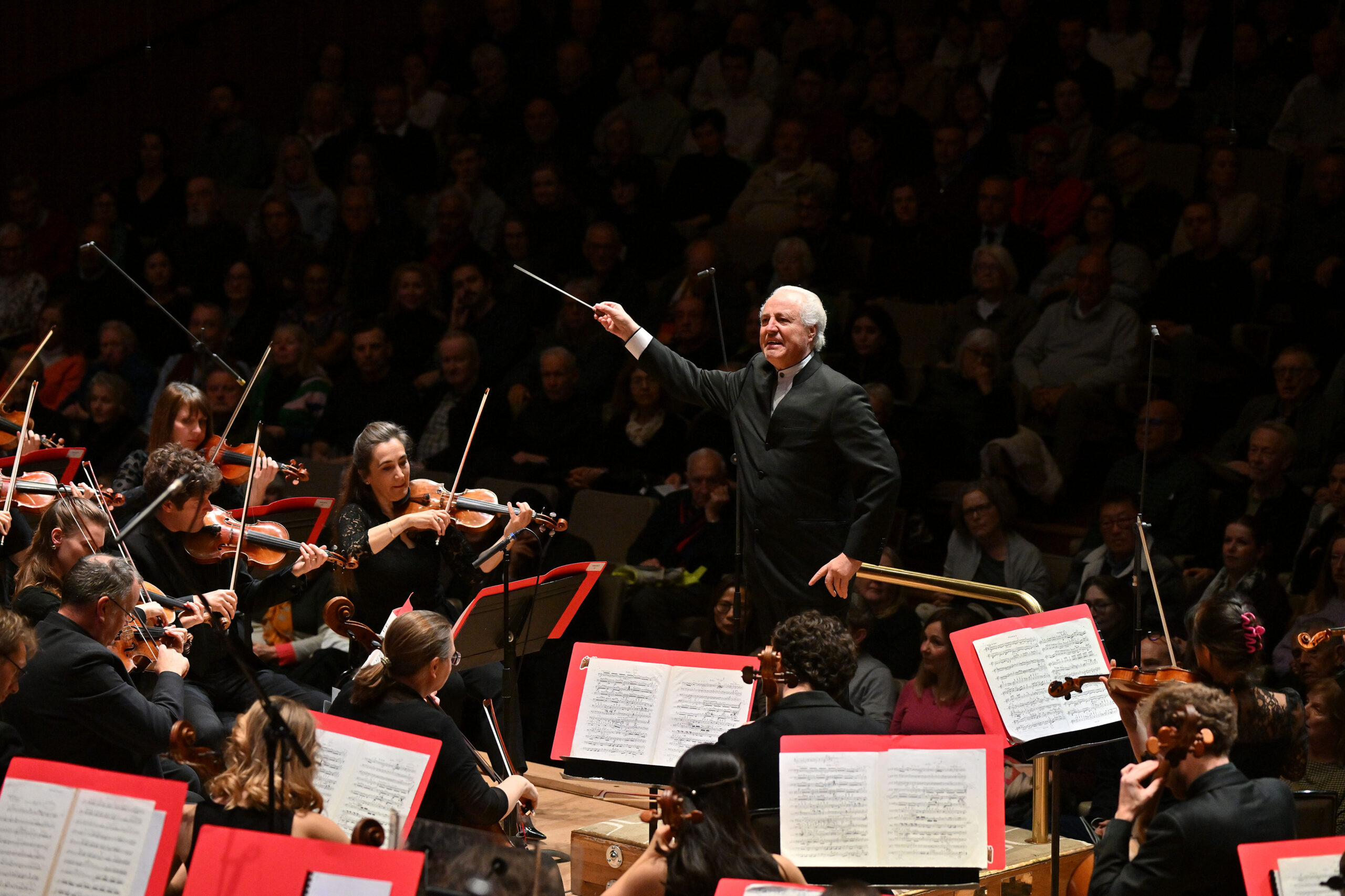
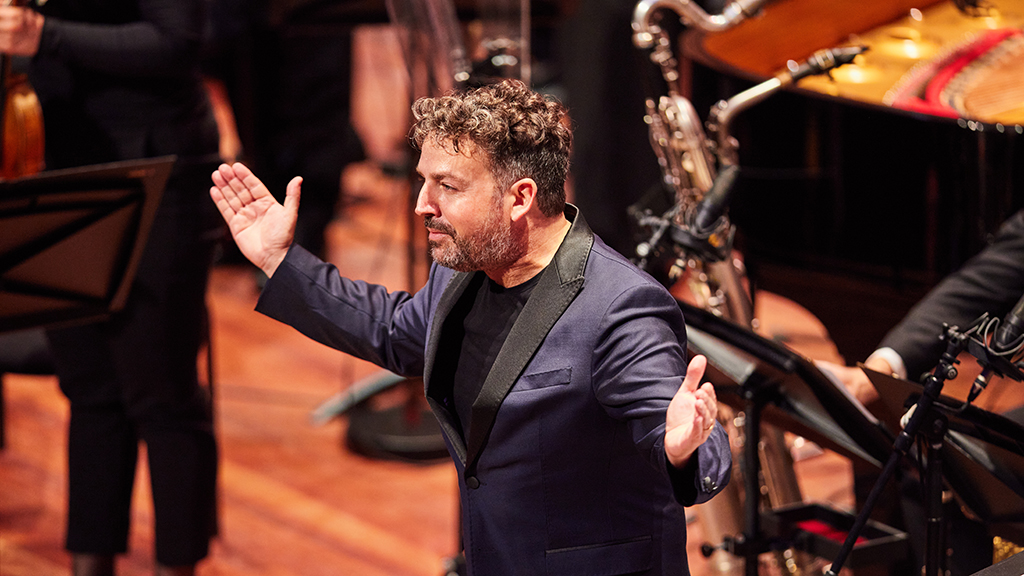
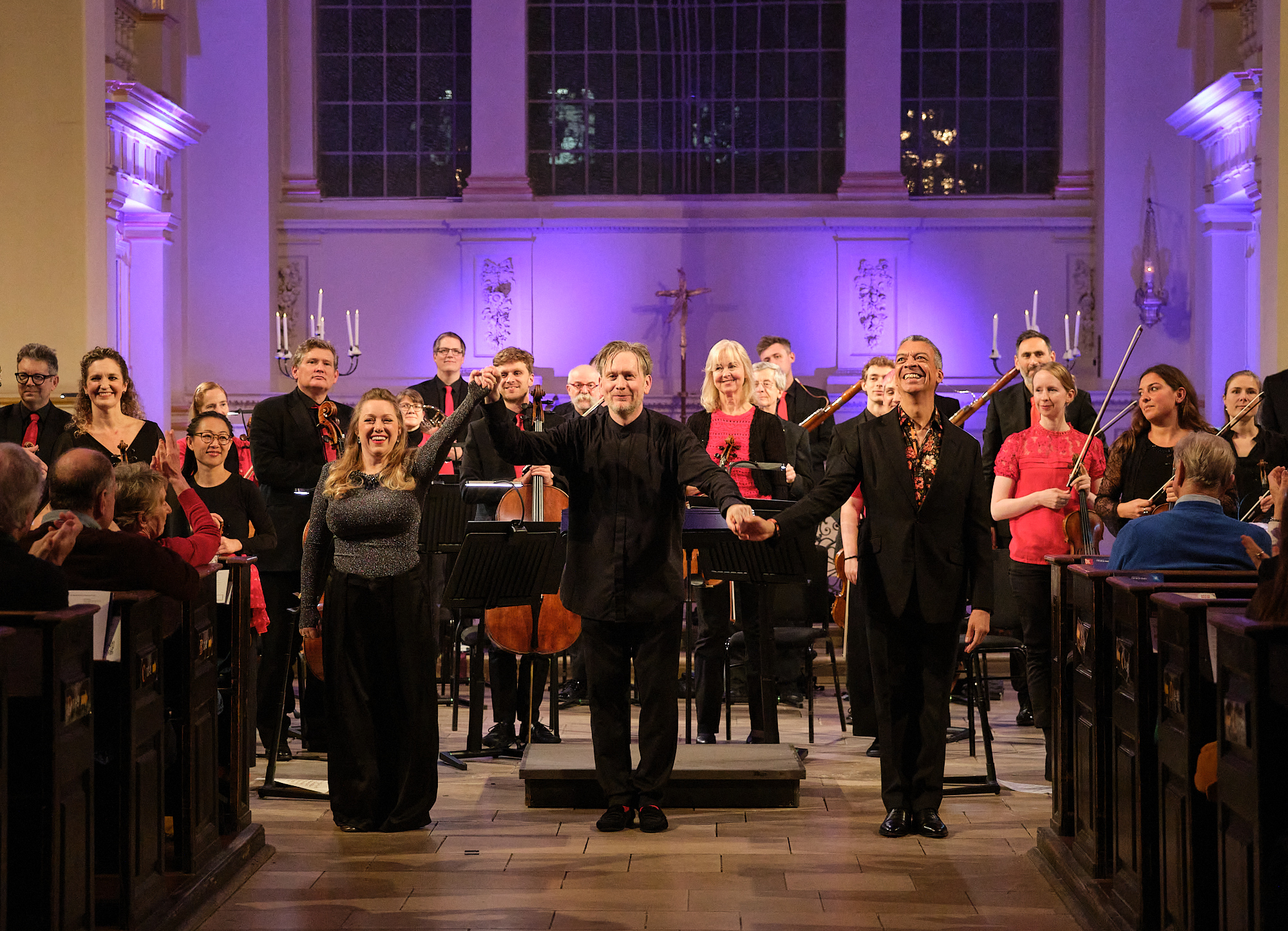
In both love and war, the innovation in Monteverdi’s Eighth Book of Madrigals demands we listen differently. War speaks readily; love suspends us in psychological tension. Under the direction of Lawrence Cummings, the Academy of Ancient Music’s Songs of Love and War at Milton Court demonstrated how vividly that rhetoric still speaks — and how quickly it can thin when its pressure eases. At its heart were two performers, Anna Dennis and Ed Lyon, whose assured inhabiting of the theatre propelled movement and sharpened thought.
Monteverdi’s war here is a noble aesthetic rather than the social catastrophe modern listeners instinctively imagine; its agitation is stylised, theatrical and propulsive. Sensory detail is embodied rather than merely illustrated, making Il Combattimento di Tancredi e Clorinda compelling drama rather than ornament. Recitative drove the narrative, while viscerally abrasive chromaticism tightened moments of tension and conflict. In the opening Altri canti d’Amor, some voices struggled to sit comfortably in the ensemble, and solo lines failed to carry in recitative, blending into the texture. By Il Combattimento, balance had settled, musicians relishing ornament as theatre and conjuring a dazzling world in which the story unfolded. Programmatically, this was the evening’s dramatic apex. Fast-moving from phrase to phrase, Ed Lyon’s nimble shifts of character maintained pace and focus throughout.

Love occupies a more suspended terrain. Altri canti di Marte opened with uplift before darker harmonic regions surfaced in the concluding line of Due belli occhi fur l’armi. Energy dipped towards the end of Vago augelletto che cantando vai, perhaps a consequence of its reflective material, though even from the back of the stage, Lyon’s razor-sharp communication carried the ensemble and audience forward. In Dolcissimo usignolo, Anna Dennis’ rounded tone rang out in the opening line, cohesion later strengthening in the upper voices of O felice augelletto — a moment of poised farewell.
If the earlier madrigals suspended momentum, The Nymph’s Lament restored dramatic clarity. Here, the rhetoric underlined the pervading sense of abandonment, expressed in Dennis’s exquisitely controlled voice, both texturally and dynamically. The conclusion brought a fragile vulnerability that completed the arc of the second half. Above all, the song’s harmonic inevitability confined us within the psychological torment of the abandoned lover — uncomfortably so.
This programme ultimately affirmed that Monteverdi’s Book Eight demands volatility — external in war, internal in love. The performance fully realised the former and intermittently achieved the latter, culminating in a Lament whose harmonic inevitability restored psychological pressure.