Joseph Phibbs’ new Cello Concerto is a study in compositional pragmatism: a concerto likely to travel well.
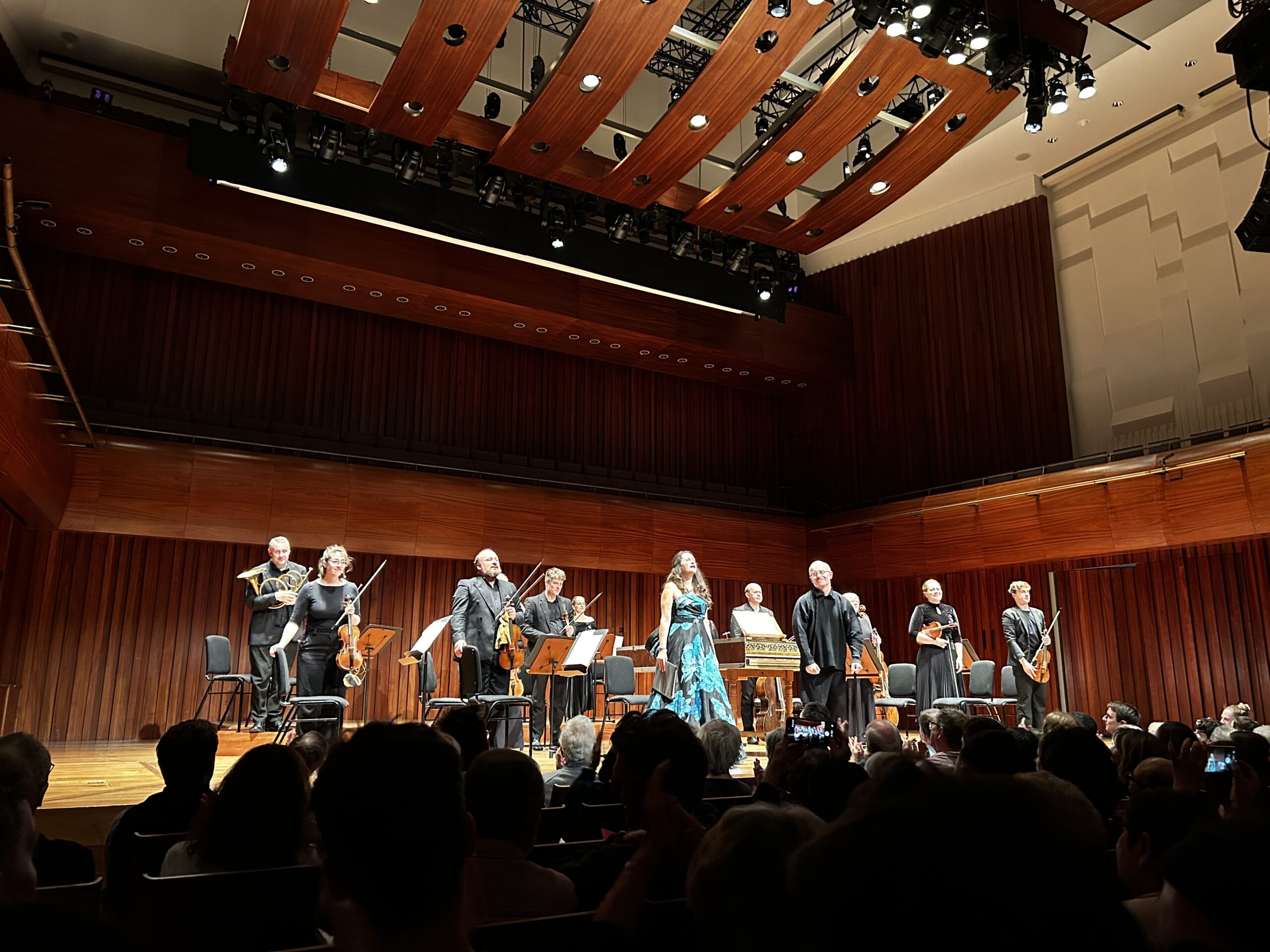
Joseph Phibbs much-anticipated new cello concerto premiered by Guy Johnston and the BBC Symphony Orchestra conducted by Clemens Schuldt at the Barbican last night, demonstrates the composer’s characteristic pragmatic musical language, love of orchestration, and instinctive knack to cater for an audience and meet his own compositional needs.
In this way, Phibbs joins a growing list of similarly aware UK composers whose art sits comfortably on the boundary of reassurance and challenge, arguably what the UK classical music scene is in need of.
Compared to the Tchaikovsky Hamlet overture that went before it, the concerto saw a more assured and cohesive performance from the orchestra, solo instruments responding to Phibbs’ love of detailed flourishes. Brass and percussion dominated in places, the timpani fortissimos in need of toning down just a little. In the fourth movement in particular there were sections where the cello line was indistinguishable in the Barbican Hall, something that will no doubt be ironed out and be indiscernible come the Radio 3 broadcast on 18th February.

Phibbs’ ideas are quick to comprehend, invention offering the curious listener an opportunity to familiarise them with the material which marginally shifts. In this way even in the faster sections of the first movement, the musical narrative never abandons the audience leaving them lost or confused. In many respects the work is a partnership rather than a tussle, toe-tapping fast-paced jeopardy stylishly contrasted with tense theatrical atmospheres. The cello is at the heart of these shifting scenes, participating in the mid-work climax but never spotlit by them.
It’s virtuosic writing for the soloist but not insurmountable – a noble challenge that Phibbs sets Johnston, not a jaw-clenching career-defining one. There’s a sense it’s a work written for a friend by another friend, rather than a fight to the death written into the score. Most striking of all is the concluding movement. A recurring melodic idea – a simple prayer – that builds slowly, seasoned with a hint of Tavener, concluding wistfully and ambiguously. It’s a bold compositional statement to conclude a bravura work with what might feel like a bit of a whimper, but its conclusion is at the same time felt to be resolute. The programme note says resolution; I veer more towards mild but not unpleasant ambiguity. The applause came quickly, and was confident, resolute and enthusiastic.
Phibbs’ compositional craft is on full display in this concerto, one that consolidates the many musical influences he has into a legible, listenable work. Narrative, orchestration, and structure are a safe strategy that makes this a new work easy to programme. No such difficult second performance likely here, yet the premiere poses an opportunity and a challenge for future conductors to bring out the detail that the BBC Symphony Orchestra likely performing for deferred broadcast didn’t quite succeed in doing. Finding the right balance for the concert hall is what will secure the concerto’s future as part of the repertoire. The next performance, whenever that is scheduled, is the one to watch.
Joseph Phibbs’ Cello Concerto was broadcast on BBC Radio 3 at 7.30pm on Monday 16 February 2026. Listen on catch-up via BBC Sounds for 30 days from broadcast.