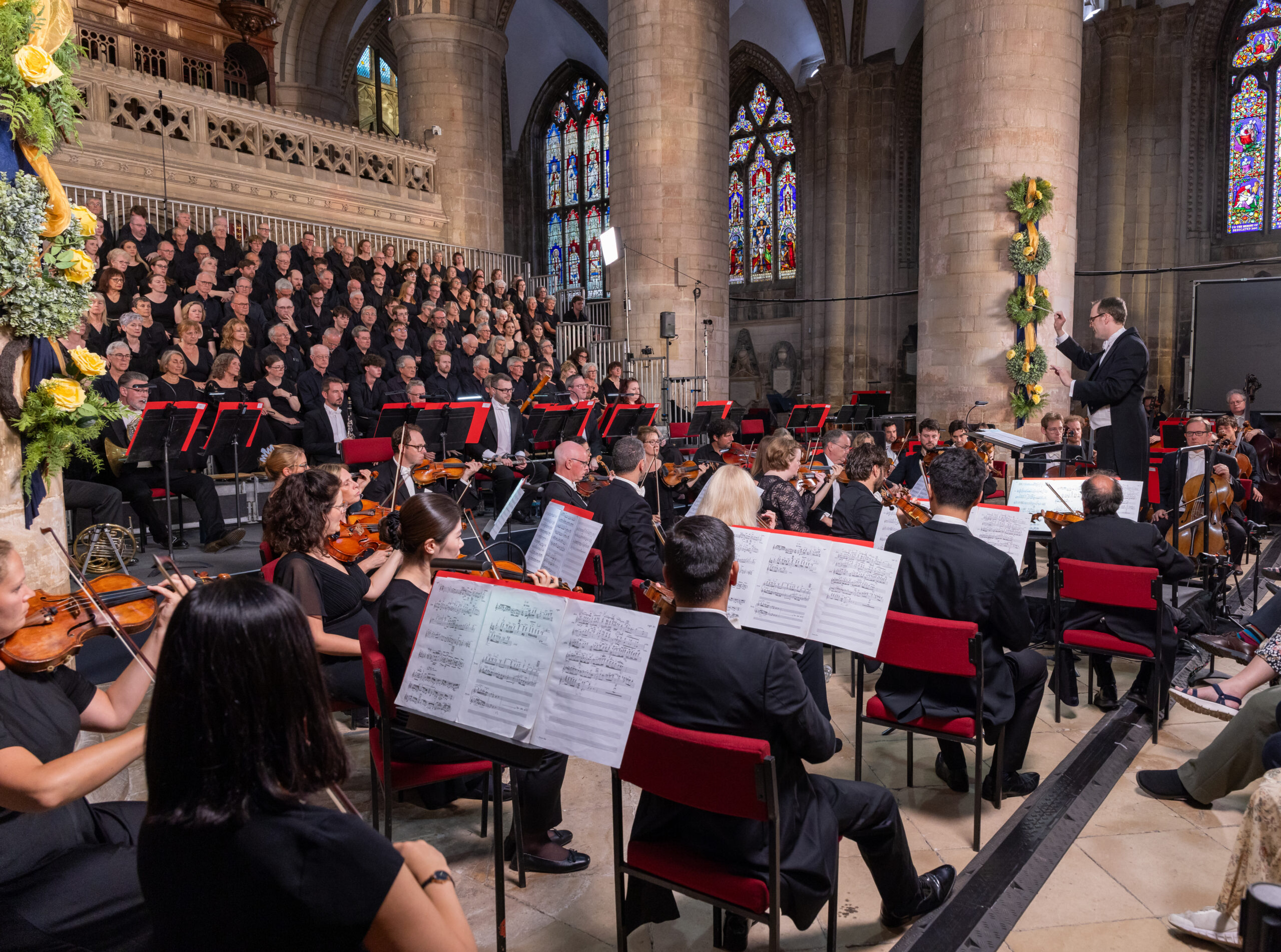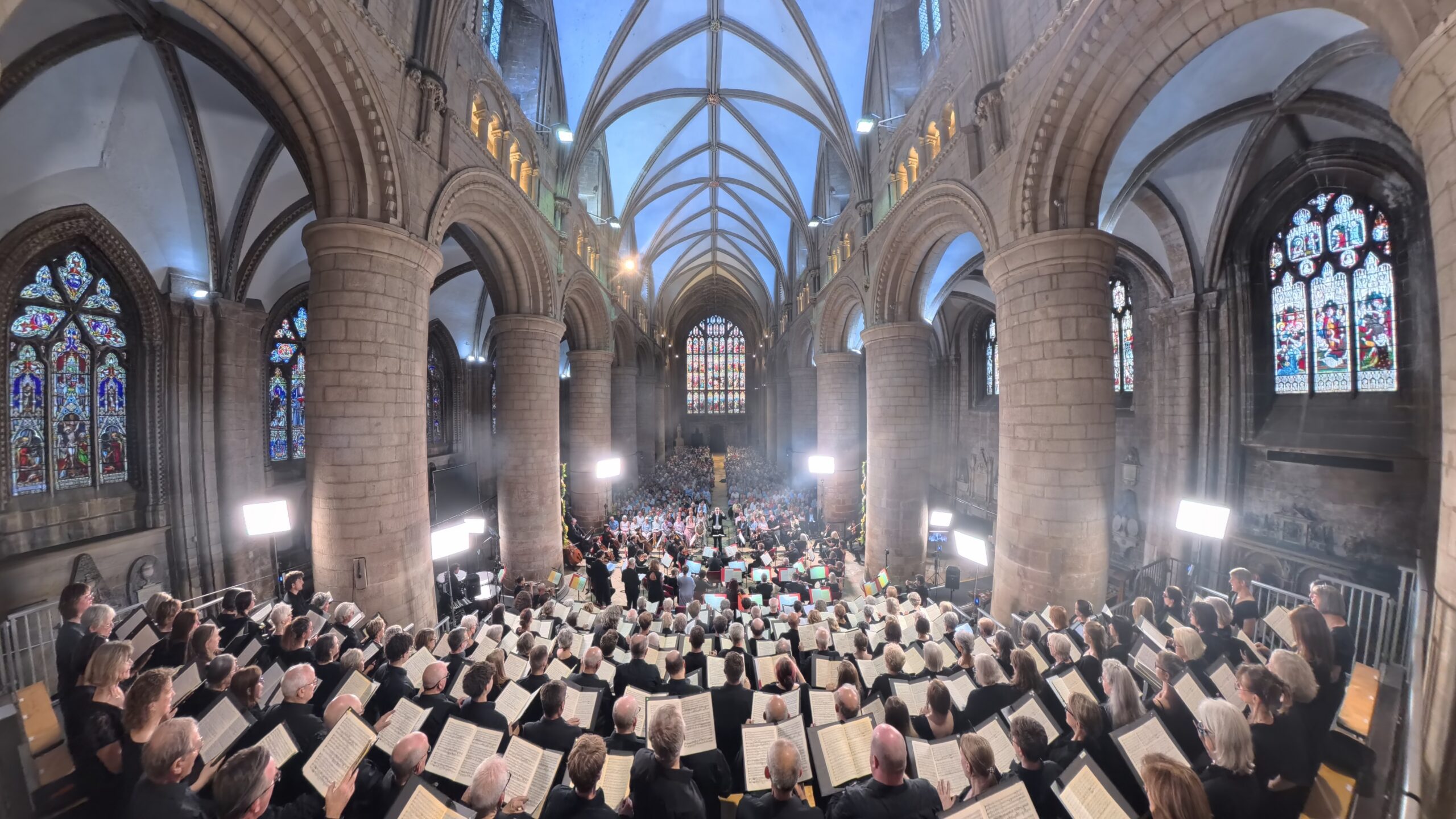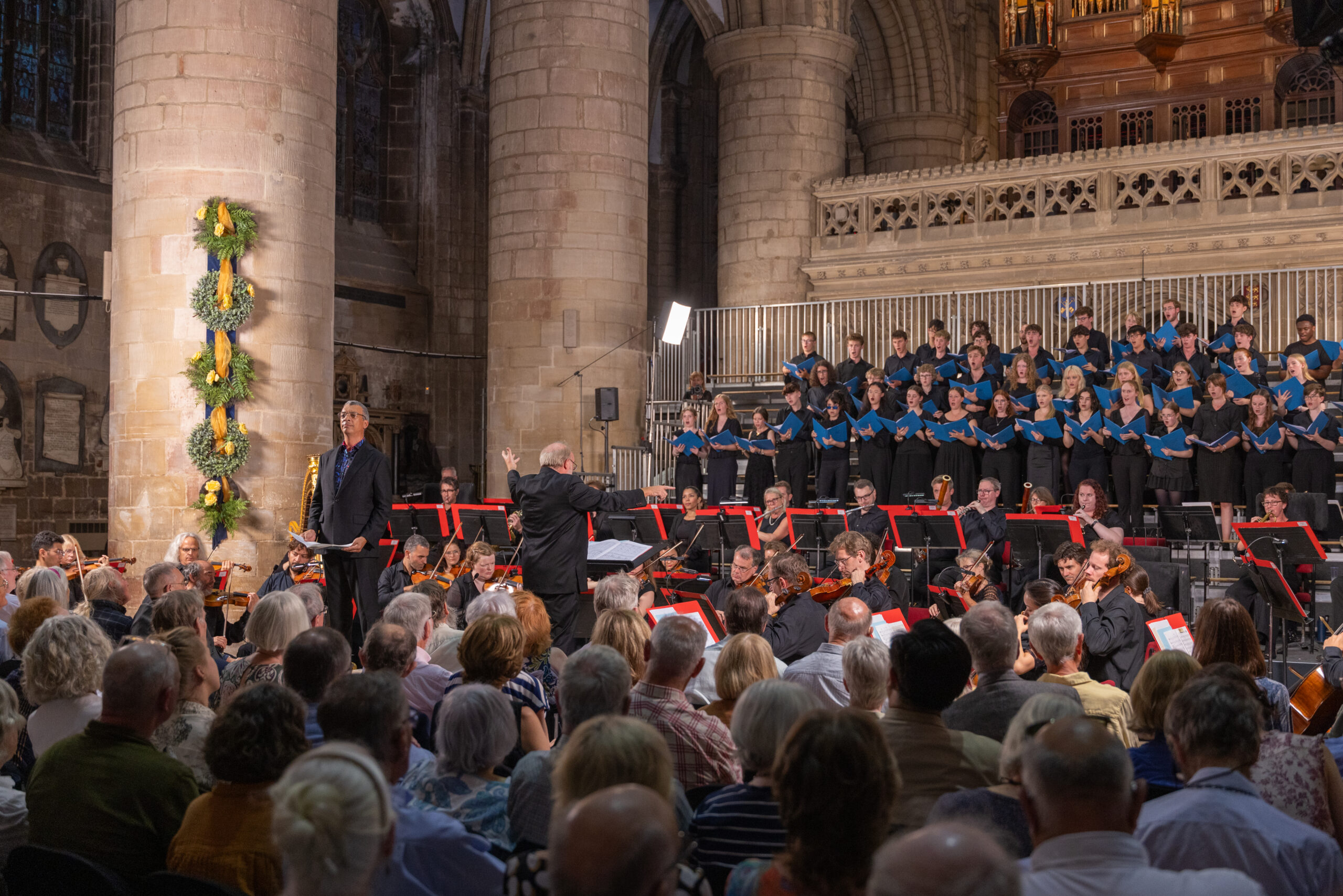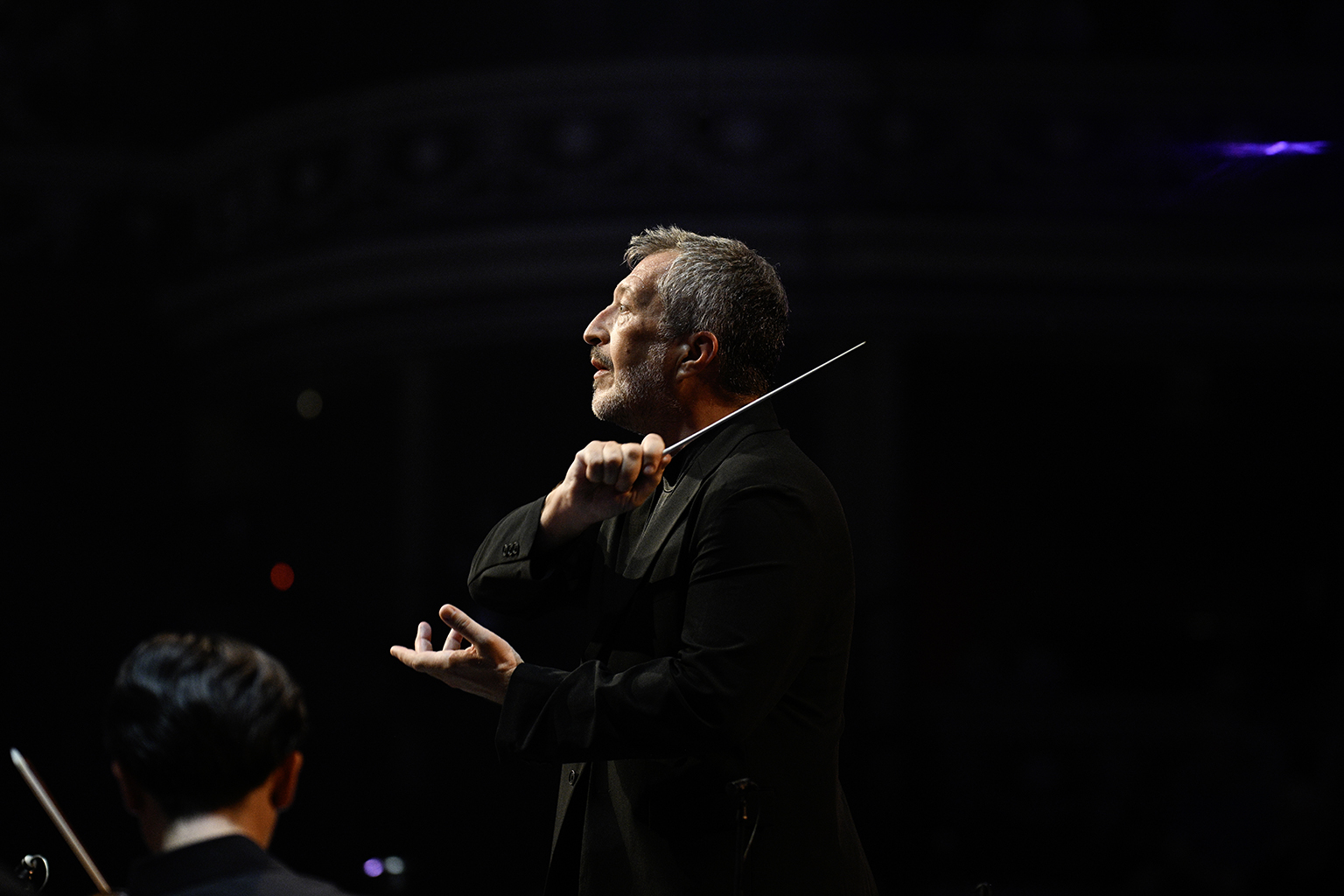
Thomas Adès conducts the National Youth Orchestra in Berlioz’s Symphonie fantastique — with Liszt’s Mephisto Waltz and Adès’s own Dante: Purgatorio.
Programme
Liszt Mephisto Waltz No. 1
Thomas Adès Dante – Part 2: Purgatorio
Berlioz Symphonie fantastique
National Youth Orchestra
Conductor: Thomas Adès
Saturday 8 August 2026 · 7.30pm–c9.40pm
Royal Albert Hall
Listen on BBC Radio 3 / BBC Sounds
Preview
What’s not to love about Berlioz’s Symphonie fantastique? Five movements packed full of easily discernible story, colourful orchestration, and a whiff of early 19th-century salons dense with the strong, nutty-infused presence of opium. The whimsical descriptor works even if it isn’t strictly evidence-based. Symphonie fantastique is supposedly the story of a man under the influence of mind-altering substances and the neurological disturbances that ensue. Over 100 years later, psychiatrists would begin experimenting with similarly consciousness-altering compounds to treat PTSD. Could Berlioz’s Symphonie fantastique be seen as a work that documents the roots of both psychiatric treatment and recreational drug use as we know them today? It might be a stretch — but if it gets you listening, any port in a storm.
Berlioz’s perennial favourite was a progressive act of creation when it was written in 1830, using the orchestra in a more overtly descriptive way than had ever been done before — novel instrumentation, and instruments deployed in new ways to create vivid evocative moments. Yet there are, especially in the pastoral third movement, unmistakable Beethoven vibes — unsurprising given that Beethoven’s Ninth, which Berlioz revered, had premiered only six years earlier, and whose slow movement casts a long atmospheric shadow over this one.
It’s a highly entertaining listen. A trusted touchstone for class music teachers — in the dwindling number of schools that still have music on the curriculum — looking to introduce the joys of classical music to impressionable youngsters. The E flat clarinet solo in the final movement is a nightmare to play and, for many, humiliating too.
The National Youth Orchestra perform Berlioz with Thomas Adès — an interesting combination. Adès is highly respected, one of those rare types who can compose and conduct and delight those with a critical eye doing both. Expect unbridled enthusiasm for the young people on stage, and so much pride in the stalls from beaming parents that the energy in this concert will feel noticeably different from many others. Resist the temptation to marvel at their capabilities simply because they are young — that would be to condescend them. Of course they’re very good. They deserve the same critical assessment as any other ensemble. A hardline Thoroughly Good view, underpinned with the utmost love and respect, of course.
Review

The Liszt is sound programming that combines discovery with a crowd-pleasing quality. It’s also phenomenal in execution. A wobbly start to an early fugue aside, the string ensemble articulation in the lower registers has a visceral quality. Exhilarating. The dynamic contrasts Ades seeks out are demanding, the response reliable.
Adès’s ballet score Dante – Part 2: Purgatorio, with its pre-recorded inserts, makes for a deeply arresting soundscape as a concert piece. An unusual thing to hand to the NYO. Not a repertoire piece with a tradition to lean on. Something daring instead — and it pays off in the playing. Trumpet articulation spot on. Clarinet solos cutting through fussy strings, a heady combination. I came in ready to be exacting. Didn’t need to be. There was reliable execution of genuinely strange work. The unison trumpets were a very special thing.
The Berlioz continues the gratifying Adès trend of not wallowing or lingering, holding the NYO’s feet to the fire. The first movement has a fleet-of-foot feel from the off, which momentarily catches the brass off guard when the tempo picks up, but proceedings settle in quickly after that. The strings ebb and flow, top notes glistening; lower range digging deep. The ensemble responds attentively and reliably to the even brisker speeds that follow making this a more manic expression of abandon. Strings rattle tautly, violas and basses gouge in response. Rubatos are handled deftly by the bassoons. Miniature detail in a pianissimo timpani roll seals the deal on what feels already like a distinctive reading.
The upper strings continue to demonstrate their gameness in the graceful lines that open the second movement. The broadcast mix takes no prisoners. We hear plenty of detail in the radio relay – trumpet articulation, woodwind figuration, and some burnished brass. Flutes and clarinets are valiant in their responses, and whilst for the most part the lightness of speed is maintained, some of the rubatos necessary to provide contrast aren’t always as cohesive as the expectations set in the first movement. Nonetheless, the spirit outweighs the detail.
Oboe and cor anglais duet at the opening of the third movement is carefully and confidently executed, with jangled nerves amongst the wider ensemble settling after the opening upper strings and flute sequence. When the celli and bassoon take on the melody with all and sundry decorating all around, NYO’s achievement this year is illustrated once again – an efficient yet still tender jaunt in the countryside, taking in bright blue skies, warm sunshine and feeling the benefit of a crisp, cool breeze.
A slightly held-back pace benefits the March to the Scaffold. Delicious detail in the articulation on muffled drums; brass fortissimos shine with a buzzing bass trombone. When the strings are called upon, there’s menace at the heel of the bow and the driest of staccatos that make the impending horror all very real. For a moment, a beheading feels like perfectly acceptable and maybe even sought-after early evening entertainment.

Adès’s promptness sets expectations for The Witches’ Sabbath, and whilst the slightly more careful feel afforded greater security, the strings embraced the opportunity to give proceedings a maniacal edge. Blistering woodwind, including a piccolo line that pierced the top of the sky, and some evocatively rusty clarinets. The real stars (amongst a stage packed full of them) were timpani and percussion who could have easily dominated but rather contributed with careful precision and craft.
One always wants to be even more exacting when the NYO play at the Proms. Unfulfilled ambitions risk clouding attentive, fair listening. This cohort delivered in spades; the finest NYO appearance in the past ten years – programmatically and in performance.
Gallery