A recent wide ranging online article about classical music’s digital content ‘turn’ stops short of the detail that actually matters — how these platforms work, what metrics are really for, and why Southbank Centre’s TikTok figures don’t mean what they think they do.
Hugh Morris’s recent VAN piece on classical music’s ‘content turn’ is thorough and ranges widely. But one passage in particular stops short of the deeper detail that reveals how free-to-use digital platforms actually operate. Whether followers and engagement metrics are meaningful — whether they correlate with artistic quality or genuine audience connection — isn’t necessarily the question. Metrics aren’t a measure of success (even if Gen X senior managers insist they are to their boards).
Metrics are the mechanism by which you remain visible to the algorithm at all. Accumulate sufficient followers and engagement and the platform amplifies your reach. Fall short and it throttles you. MacBlane says as much when she describes paying to get past growth blockages. You’re not buying proof of anything. You’re paying the toll.
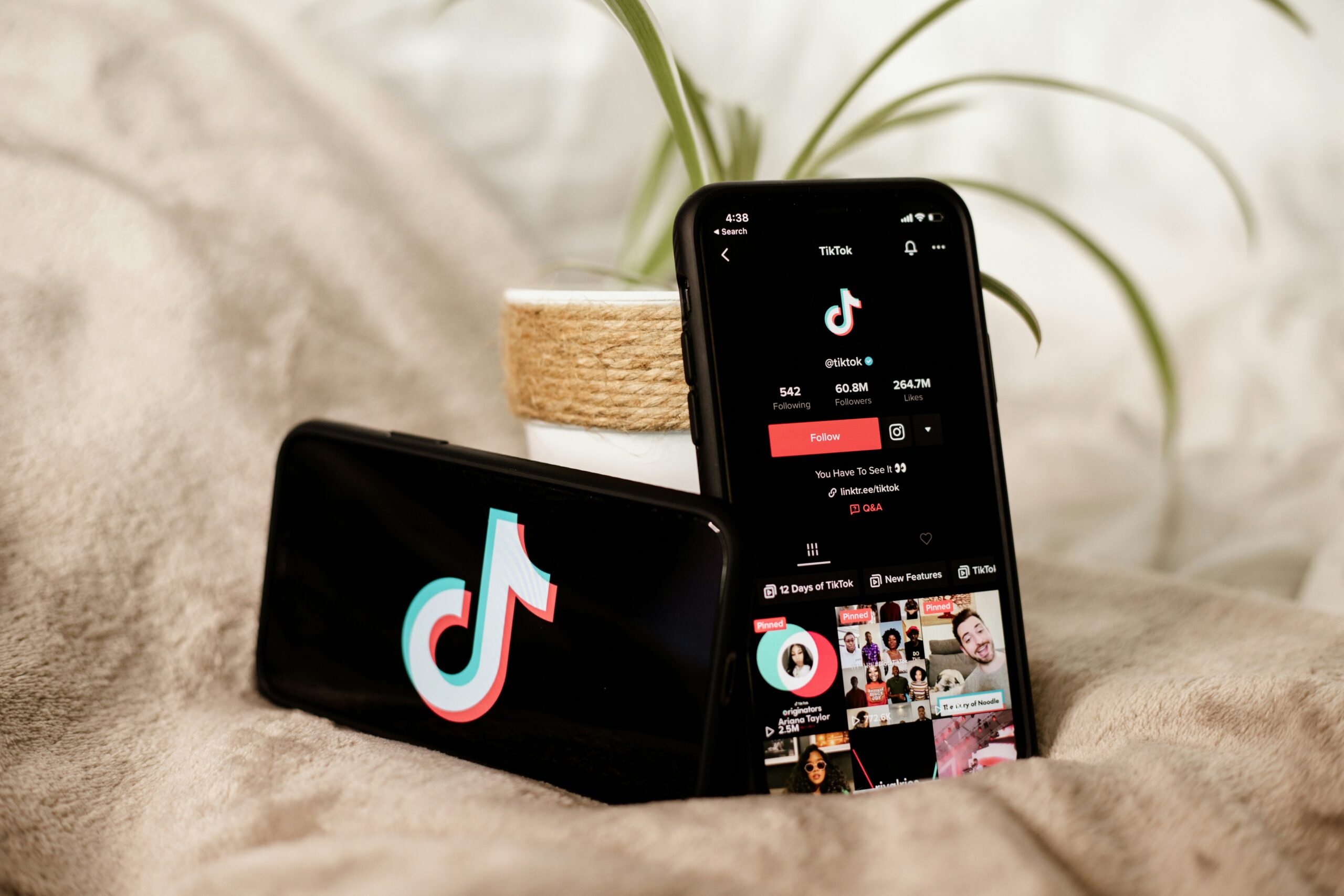
This matters because it reframes the Southbank Centre’s TikTok figures entirely. SBC cited nearly a million posts carrying #classicalmusic — a 60% annual increase, according to figures they attributed to TikTok, which TikTok itself couldn’t subsequently verify — as evidence that classical music is booming among younger audiences.
But hashtags on TikTok are a categorisation tool, not a reach driver. (Indeed, on other platforms social media agencies are downgrading the value hashtags now have in aiding discovery). A post can carry #classicalmusic and be seen by almost nobody. What the algorithm actually values is follower count, engagement, completion rate and watch time — the signals that indicate whether real people are genuinely responding to content. Hashtag volume tells you content is being labelled. It tells you nothing about whether anyone is watching it, finishing it, or sharing it.
Which leaves SBC’s position looking either naive or conveniently opaque. The figures they cited don’t measure what they implied they measured, and the platform that supplied them couldn’t produce the data when asked. The adage that if the platform is free you’re the product is old enough now that it shouldn’t need repeating to a publicly funded arts institution. And yet.
There are two readings: SBC don’t understand the distinction between categorisation and reach on TikTok, in which case they’re making significant strategic decisions on the basis of a metric that doesn’t do what they think it does. Or they do understand it, and reached for the largest available number anyway. Neither reflects well on the rigour behind the partnership. You want reach? You have to pay for it to game the algorithm. But no one who does believes that means quality. If you still do you are rather late to this particular party — which arguably is coming to an end.
Because what actually builds audience isn’t numbers. It’s trust. Consistent, credible, reliable messaging — whether irreverent, deferential, serious, or informed — is what creates genuine connection with a potential audience. That’s not a digital principle. It’s a comms principle, and it applies regardless of platform or distribution method. The mechanics matter, and they’re worth understanding properly. But they’re the road, not the destination.