A concert, an anniversary, a building. This was Norwich quietly reasserting its place in the composer’s story.
Britten Sinfonia’s Norfolk and Norwich Festival appearance at St Andrew’s and Blackfriars Hall marked 50 years since Benjamin Britten’s death with a programme that excited, delighted, and comforted.
In a programme documenting some of the composer’s work during an extended three-year ‘vacation’ in the US that began months before the Second World War, youthful vitality and taut expression in the scores were mirrored on stage.
An enthusiastic response in the bright acoustic followed. All this in the same space where Britten’s first orchestral song cycle Our Hunting Fathers was premiered in 1936. A suitable tribute in a resonant space. Earlier this year, The Halls were reopened following a £7.8m refurbishment. A concert, an anniversary, a building. This was Norwich quietly reasserting its place in the composer’s story.
Britten Sinfonia runs lean, and that leanness is both its edge and its exposure. The resourceful management leans heavily on knowledge and passion. They have to. It shows in the thorough programming, and in the artists it attracts: ensemble, repertoire and management hold each other up. The same economy that sharpens the work leaves little slack. Inclusive programme notes with relevant context complete the scene-setting, senses enlivened in anticipation.

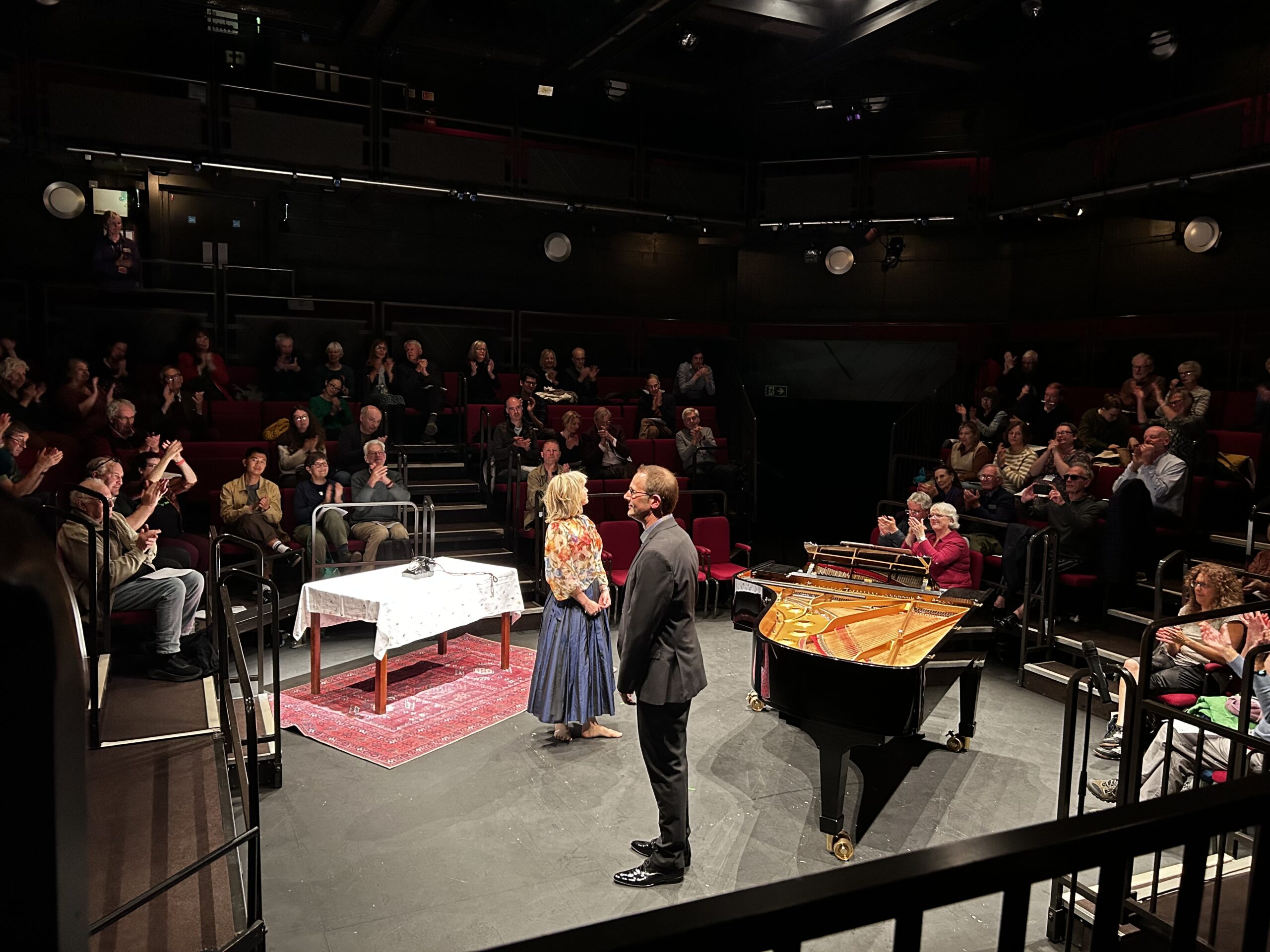
Soprano Elizabeth Watts brings a fun, playful, at times conspiratorial air to Les Illuminations — Britten’s settings of Arthur Rimbaud’s poetry, text introduced to the composer by WH Auden a year after Our Hunting Fathers. Watts’ commitment to the performance is magnetic, communicating a love of the work and of performing it. A deferential performance is resisted. The energy in the hall is heightened because of it. She leads, the instrumentalists support and respond accordingly. An energetic collaboration ensues. The consequence is a work to revisit. As an encore, Watts’ own arrangement of Scarborough Fair, completed three days before the concert.
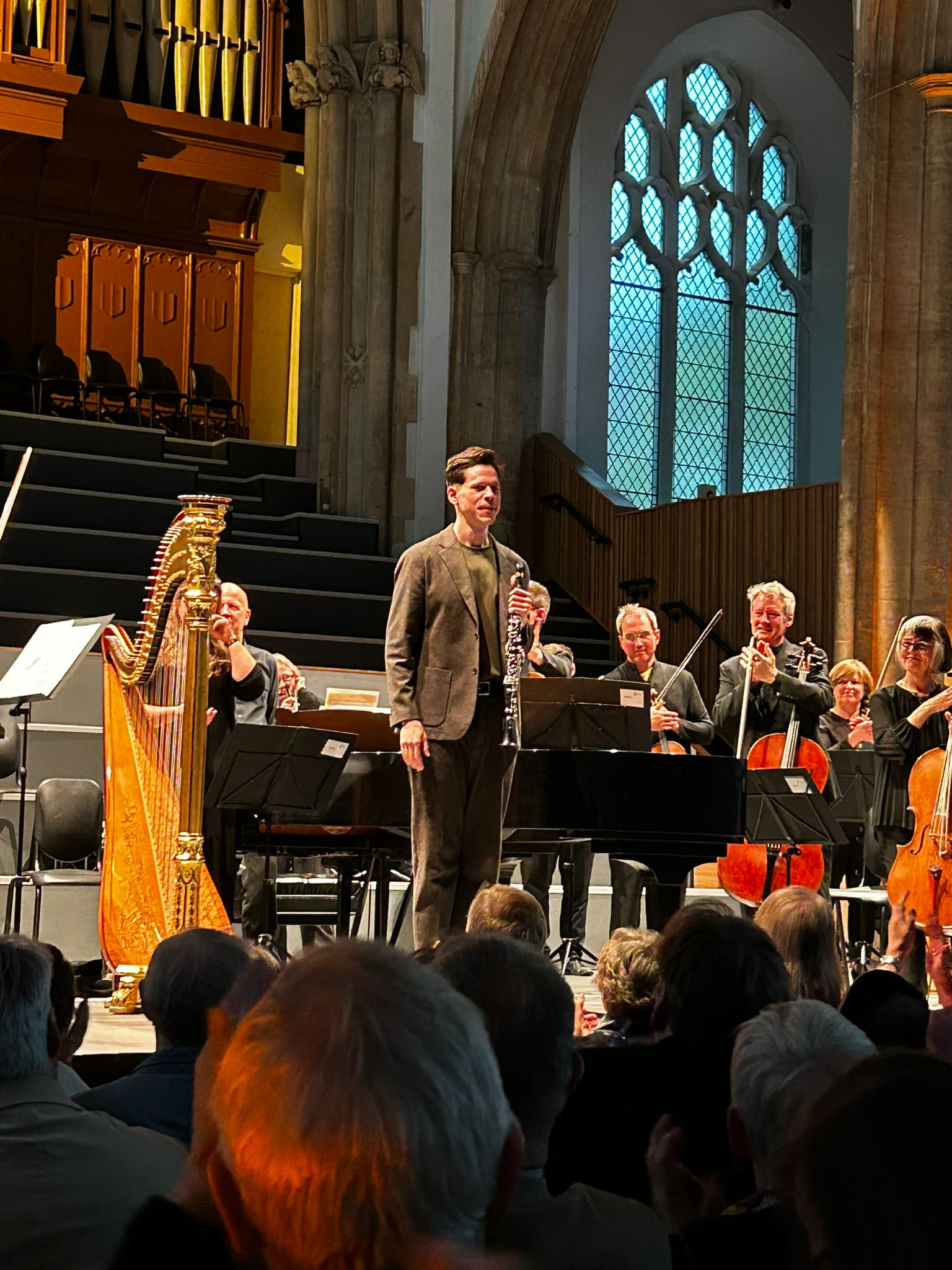
St Andrew’s Hall isn’t an easy acoustic to navigate. Bright and big, the detail can get lost. Elizabeth Watts compensates with clear enunciation and demonstrative moves. Clarinettist Oleg Shebeta-Dragan has a comparatively easier time of it in Copland’s Clarinet Concerto, with an instrument that cuts through more readily.
keep thoroughly good, thoroughly good
Thoroughly Good is reader-supported. If you find it useful, you can help keep it going by supporting the website with as little as £3, either as a one-off or a monthly subscription via Ko-fi.
Shebeta-Dragan is an electrifying presence. Muted grey threads downplay his height; his presence creates a stylish backdrop for the instrument. The sound production is consistent across registers. The upper and top range isn’t pinched but expansive, and this quality is matched in the mid and lower ranges too. No overtly chocolatey bulbous tone in the bass notes here. There is an altogether modern feel to this sound.
In addition, there’s a sense that Oleg’s musicality is underpinned by a disciplined abandon. This sophisticated sound is evocative — a smooth ride around in a fast car with a whiff of new leather. The musical expression is carefully considered and modestly executed with fine adjustments in terms of style, character, colour and pace, yet it still manages to retain an instinctive quality. Those moments when hesitations are engineered between solo line and ensemble, serendipity still wins. Slides and decorations are given the space they need, but nothing overstays its welcome. This compact style of expression is tightly drawn with boundaries rigorously enforced. The virtuosity is fierce (especially in the encore), but the ego is most definitely left at the side of the stage. Little wonder he secured the win at the Nielsen competition in 2022. A treat to see.
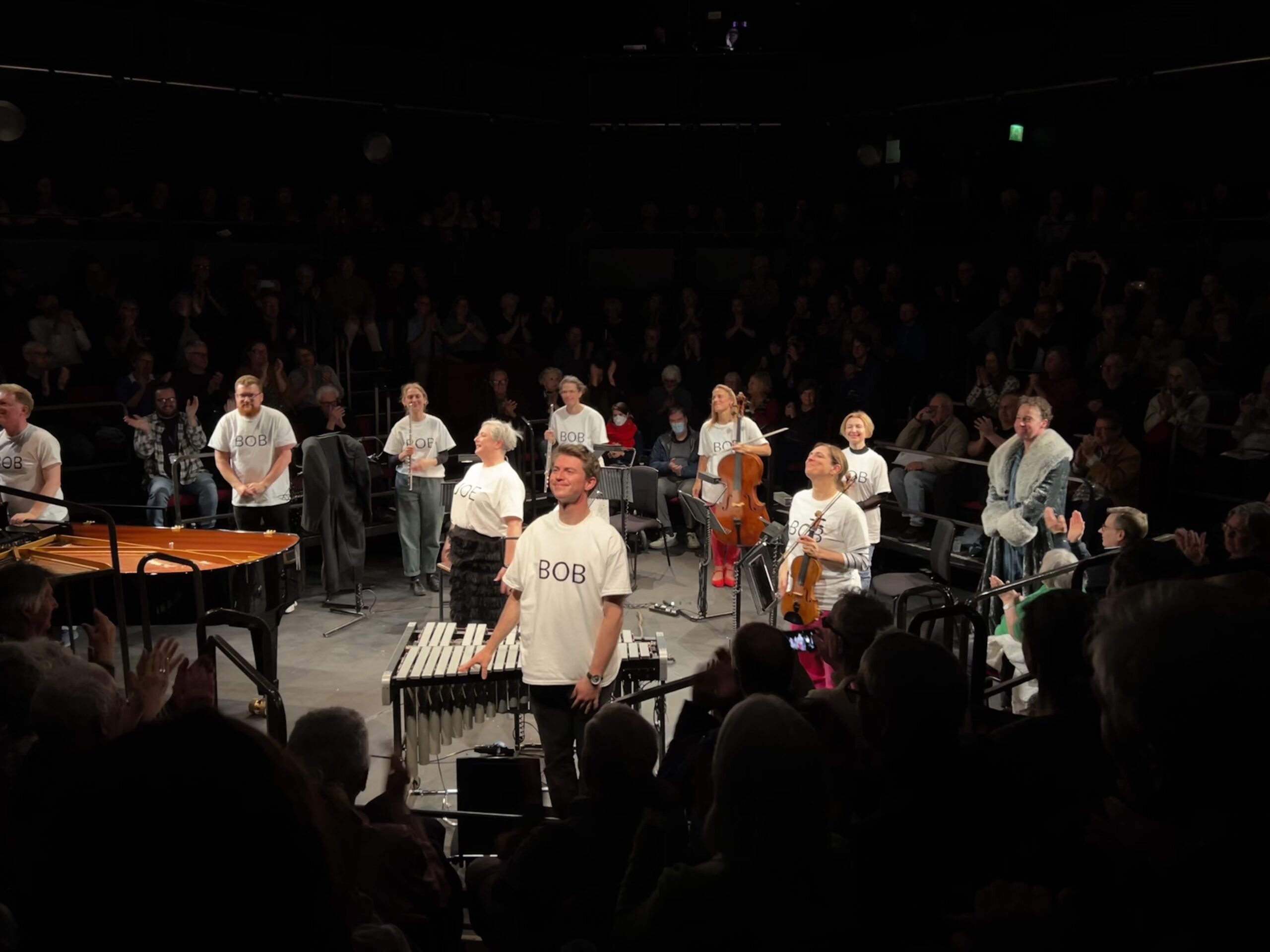
The ensemble playing makes for a riveting listen. The exhilarating concert opener Young Apollo unleashes the enthusiasm of all on stage with gritty string sounds and exuberant glissandi at the keyboard from pianist Huw Watkins. Throughout, Britten Sinfonia feels increasingly like a closely aligned group of soloists, who evidently love playing together. Sometimes the enthusiasm that comes from this collegiate approach risks pulling focus, as encouragement and appreciation tip into performative gesture. But the attack, the urgency, the commitment — that is what a collective of soloists buys you. The effect is visceral.