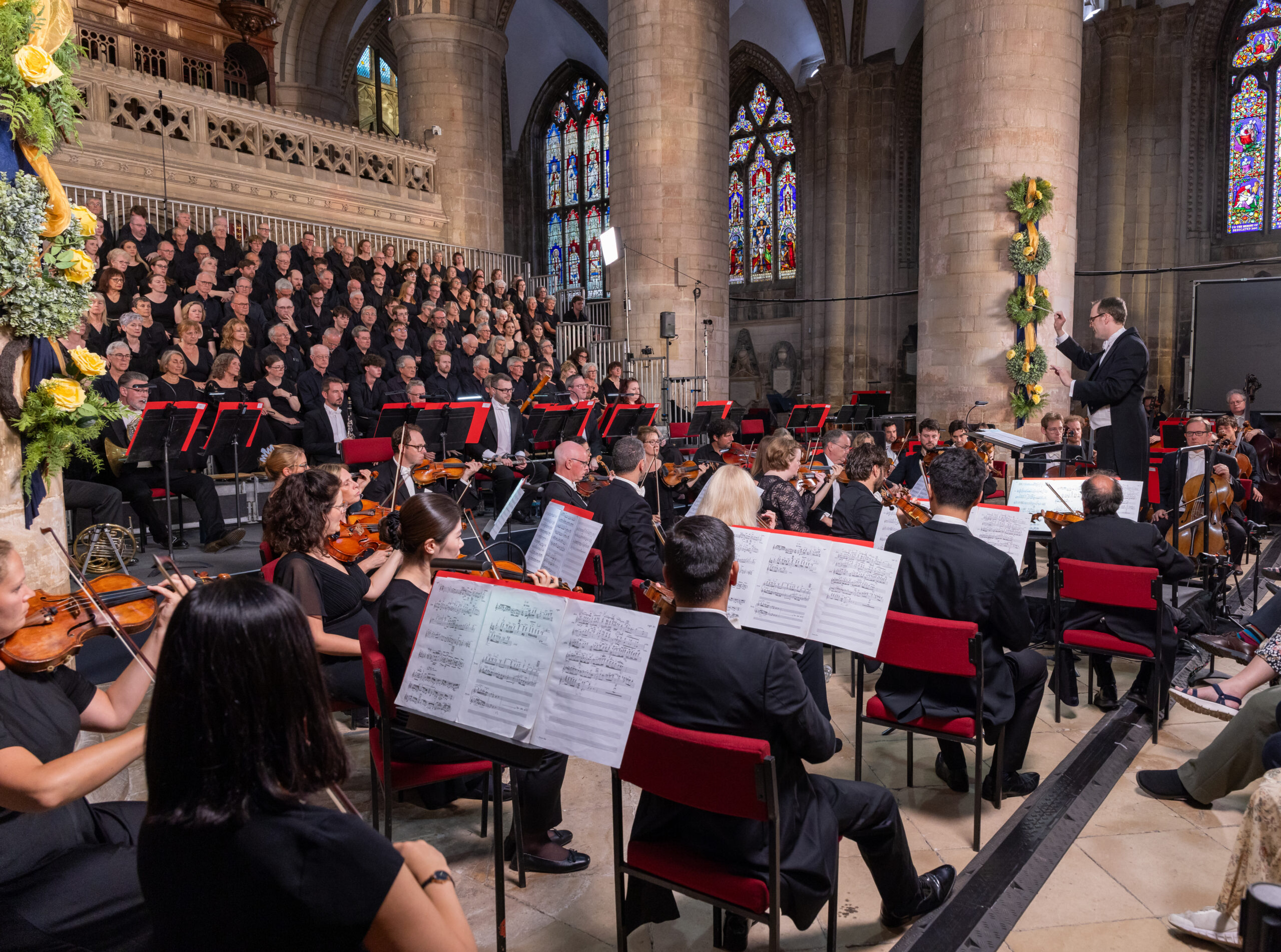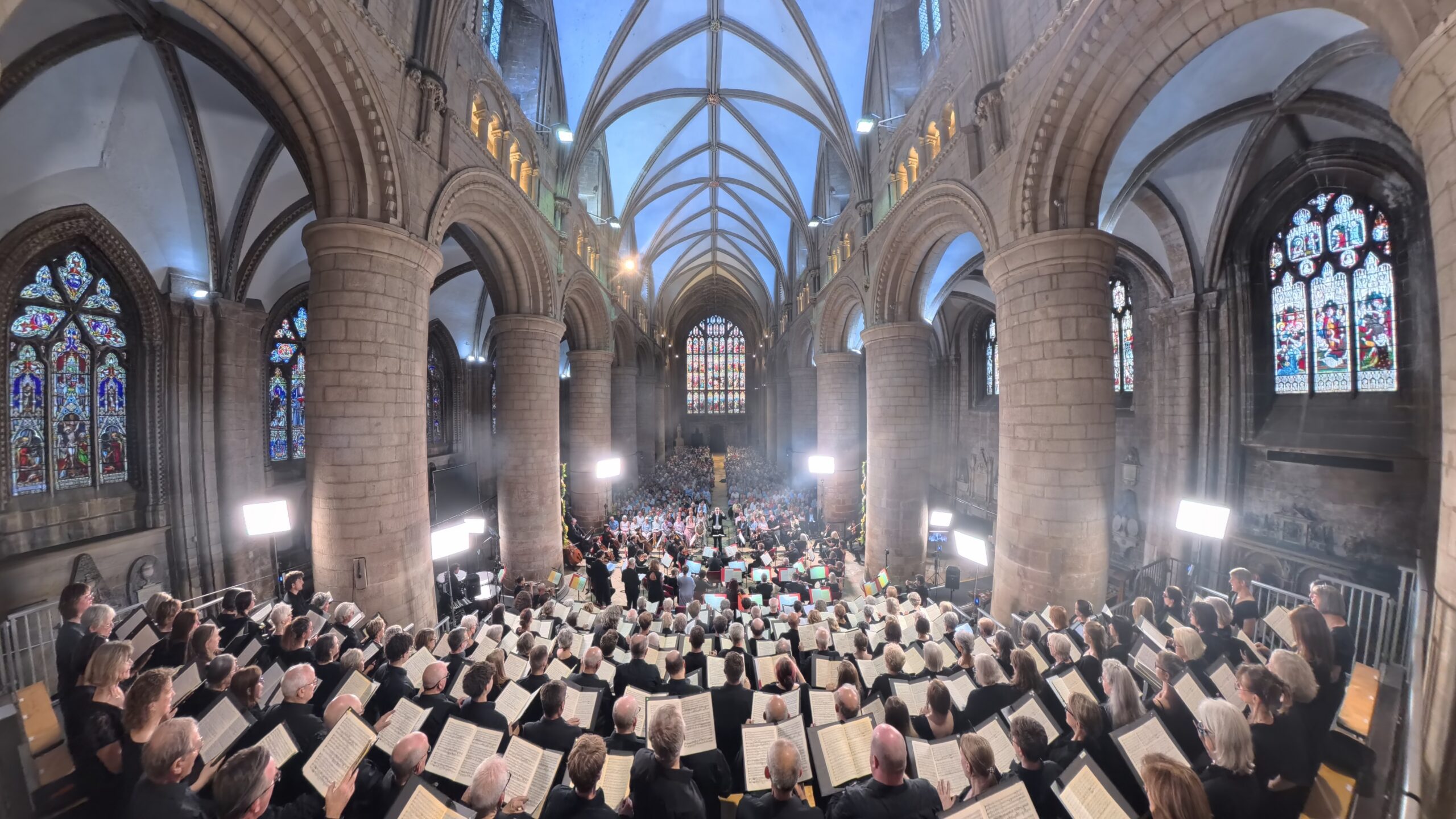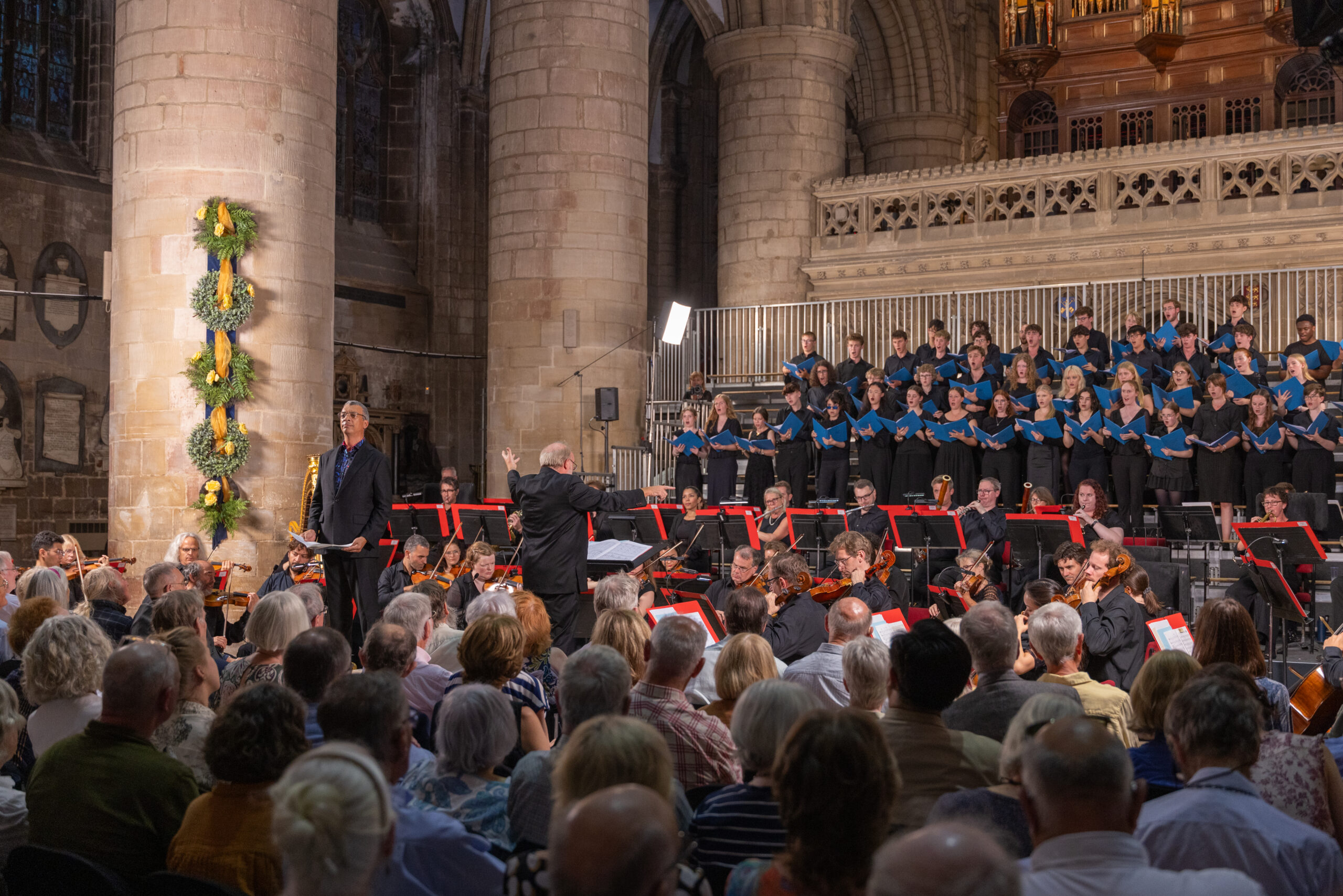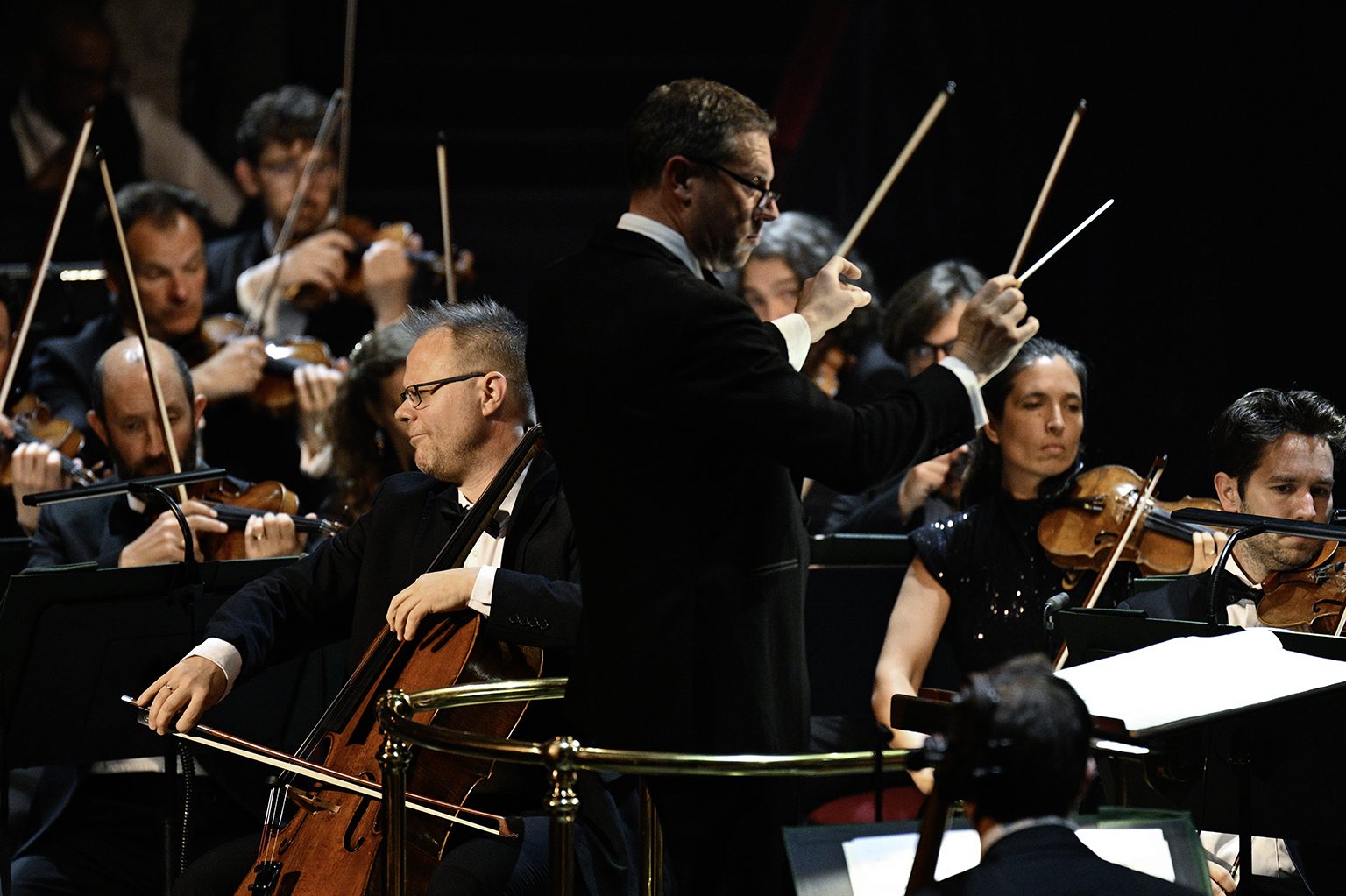
John Wilson and the Sinfonia of London perform all three of Respighi’s Roman works — plus Verdi and Walton’s Cello Concerto with Jonathan Aasgaard.
Programme
Verdi The Force of Destiny – overture
Walton Cello Concerto
Respighi Roman Festivals; Fountains of Rome; Pines of Rome
Jonathan Aasgaard (cello)
Sinfonia of London
Conductor: John Wilson
Friday 24 July 2026 · 7.30pm–c10pm
Royal Albert Hall
Listen on BBC Radio 3 / BBC Sounds · Watch on BBC iPlayer (recorded for broadcast)
Preview
William Walton sets the scene with eight succinct notes at the beginning of his Cello Concerto. We’re either in a thriller or some kind of murder mystery, likely on the south coast in a late Victorian property looking out over a glittering horizon. Walton, if you’ve not already figured it out, is a Thoroughly Good favourite. A reliable sort. His immediately likeable modern-day pastoral concerto is TV music without TV getting in the way. Evocative without being too light, fun with added zhuzh. Fans of the gripping BBC Music Magazine award-nominated Chandos recording from Sinfonia of London and cellist Jonathan Aasgard will be elbowing their way to the front for this performance, given both parties are on the stage. If there’s a band-and-concerto combination sure to reassure the sceptical about the wonders of orchestral music, it’s this Prom.
A vaguely yesteryear cinematic feel extends throughout the second half. Respighi’s Roman Festivals, Fountains of Rome, and Pines of Rome is a selection of works which is, frankly, classic John Wilson – an exacting conductor who has made his name summoning a glossy, iridescent soundworld. There’s nowt in this 70-minute second half that won’t tickle the senses, not least because the band is brimming with principal players from the UK’s best bands, contractually obliged to play as though their lives depend on it. As a result, the sound leaves the listener feeling as though everyone is competing with one another — which is exactly what Respighi’s scores demand. Watch everyone sweat. Or if you’re listening at home, imagine it.
Review
Verdi’s Force of Destiny saw rip-roaring, hurtling strings, glossy woodwind that evoked Baileys Irish Cream, and glistening brass cues that stung and sliced. The ensemble was, given its vastness, inexplicably light-footed – packed full of energy tightly contained and carefully released. Listening to this was like riding around the suburbs in a ridiculously overspecced BMW.
In Walton’s Cello Concerto, the first movement opening material feels drawn out of the instrument, with the soloist’s tone given a pained stainless steel edge to it. This suits the tension the harmonic language establishes. Moments of relief are found in the nearly Hollywood cadences, but these are fleeting. The concluding chord is an uneasy resolution. A more frenetic peril-fuelled chase follows with some reassuring splashes of colour from the orchestra though in places it feels like its not quite together. This continues across the movement where some of the fractured passages lose focus and sometimes intonation slips or we lose a sense of the beat. We’re locked back in with the on-beat chords from the orchestra. The final movement sees the greatest range of material for the cello and more opportunity to wallow in Aasgard’s resonant tone. The lower registers make the cones on the monitors vibrate. The resolution when it comes at the end of the variations feels like it’s crept on us. It’s also oddly uneasy. A rewarding listening even if it’s not wholly fulfilling.
A riot of sound built right from the opening of the first picture of Rome, until the end of the last. Blistering brass throughout whose lips must surely be on fire by the end of this (plus some delicious ‘trumpeting elephants’ horn cues in the first movement). Every detail is attended to. This feels like characteristically thorough John Wilson work, whose maniacal perfectionist tendencies, if they were in doubt before, are surely confirmed now.
Hearing all three Respighi works alongside one another throws the spotlight on the last – Pines of Rome – and in particular the final movement. In performance, this relentless march building towards its inevitable climax is a masterstroke not simply of making a big noise, but deploying forces strategically. The climax throws shade over Stravinsky, Holst, Shostakovich and Ravel. You might include Richard Strauss in there as well. This is the music I want to hear (and ideally the Sinfonia of London playing it) as I draw my final breath.
Thank God there’s catch-up for 30 days, and that it’s available on TV and BBC iPlayer and, after that, available as a studio recording released in 2020.
Gallery