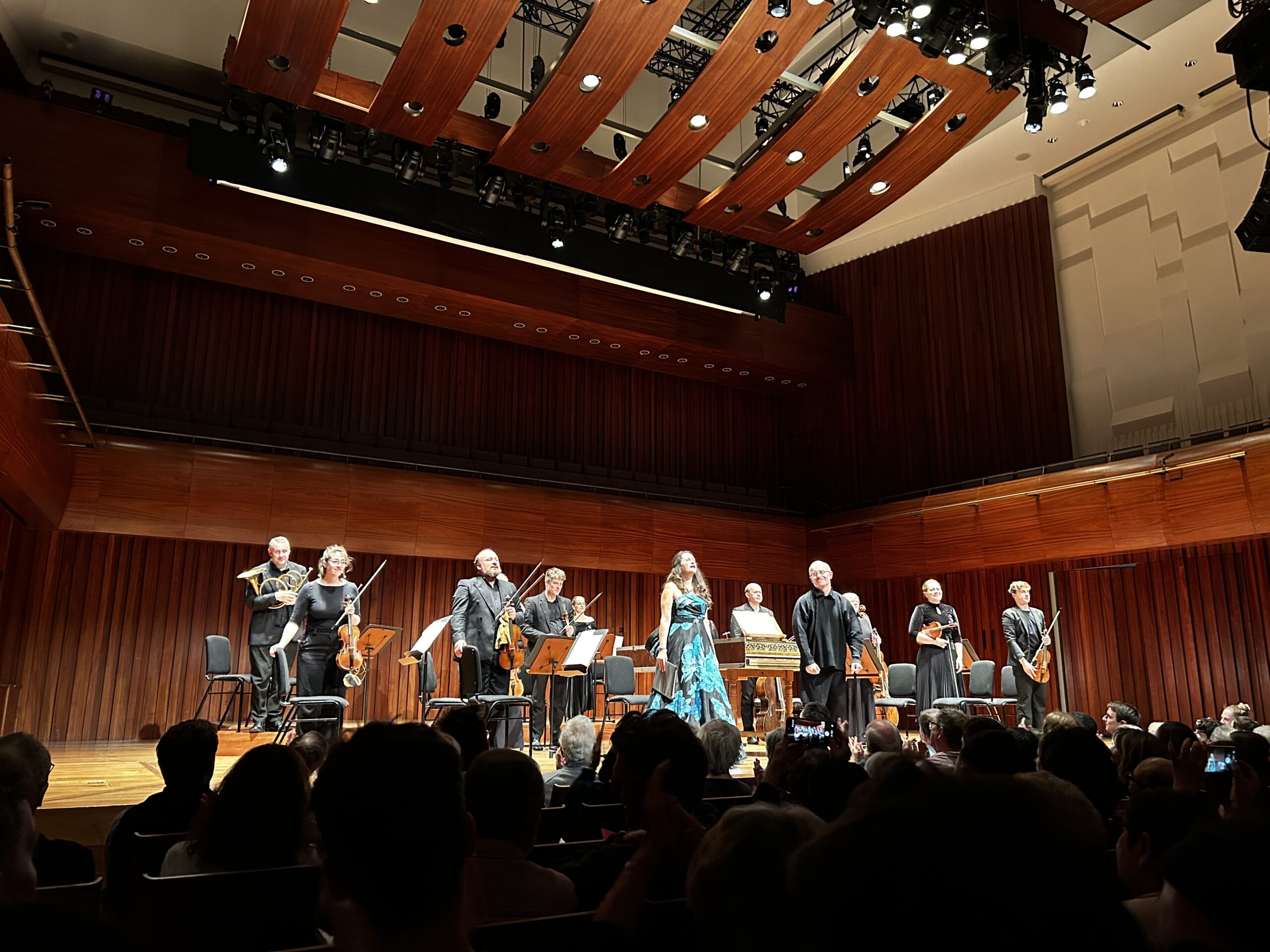
Aurora Orchestra‘s Mahler 1: every line gets its moment, but an inadvertent conformity emerges amid the freedom from the score, leaving the climax feeling a bit hollow.
Programme
Mahler Symphony No. 1 in D major (performed from memory)
Natalie Lewis (mezzo-soprano)
Aurora Orchestra
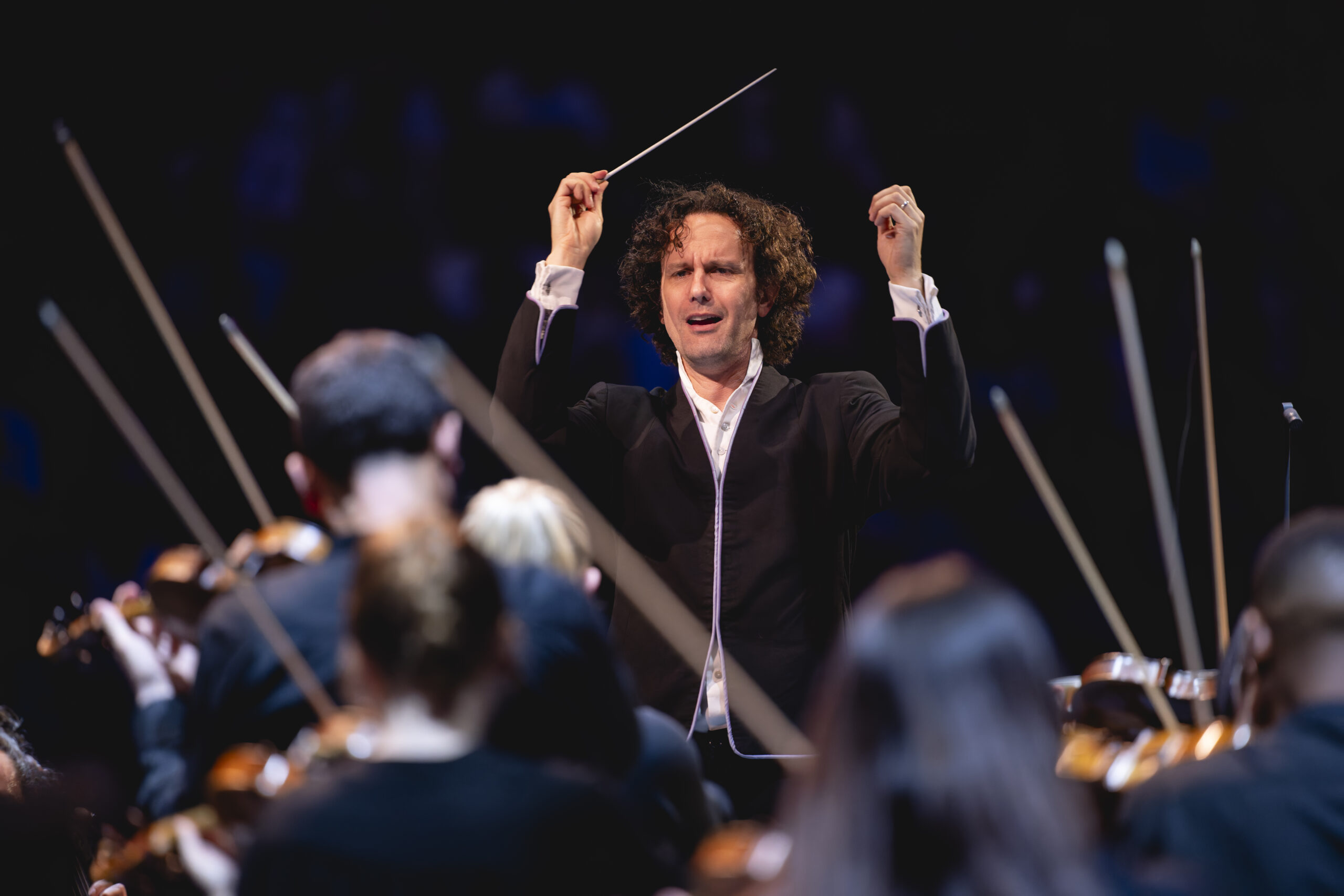
Conductor: Nicholas Collon
Saturday 1 August 2026 · 7pm–c9.15pm
Royal Albert Hall
Preview
Thoroughly Good has mixed feelings about Aurora Orchestra’s annual appearance at the BBC Proms. The format is dramatised first half followed by a complete performance of a symphonic work in the second half, always played from memory. It’s a significant undertaking and to a certain extent an awe-inspiring one. There’s also an argument for saying that the style of playing benefits too resulting in a more energised, more urgent kind of performance. At the same time, the scripted first half can have a mildly fresh out of drama college vibe to it. The memorised performance element also risks hyping such that the music itself is masked by spectacle. Skip the first half, listen to the second. Avoid any whiff of people being excited or amazed.
This year, Aurora are performing Mahler’s first symphony twice at the Royal Albert Hall. Mahler’s writing is highly programmatic. If you’re new to Mahler’s symphonies (but you’re familiar with Beethoven), think Beethoven’s Pastoral Symphony on steroids in the first and second movement. Frère Jacques will be instantly recognisable at the beginning of the third movement. Storm-laden melodrama opens the final movement. The concluding climax is unapologetically celebratory with brassy fanfares, whistling strings, and rumbling percussion. In the timeline of symphonic writing – Mahler’s first is written 60 years or so after Beethoven’s ninth – the intense detail baked into the score is breathtaking, as though the composer has taken delivery of a Maserati and insisted he demonstrate to us all exactly what it’s capable of.
Review

There is nothing wrong with this performance. It succeeds because of the theatrical approach Aurora has made its own and demonstrates in all of its Proms appearances.
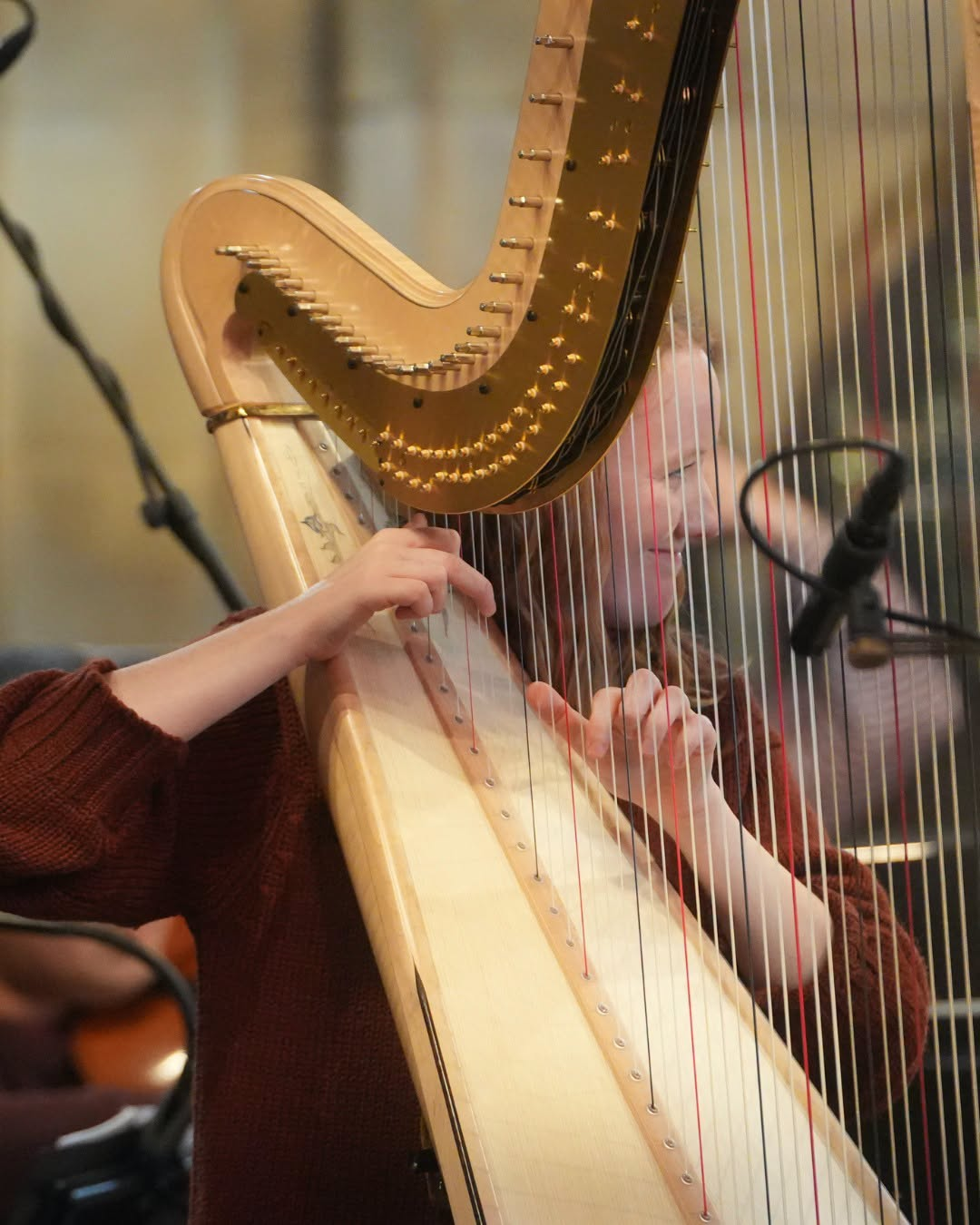
They create a theatrical sound by virtue of everyone on stage having the opportunity to play as soloists. The individual lines are fuller in tone than many of the radio orchestras that appear at the Proms.
Listening is made more naturalistic by virtue of the safety net of a score being abandoned. The playing is therefore more instinctive. A demonstration of consensus in action. This is heard most noticeably in the secondary material in the third movement. Playing without scores makes the phrasing, especially around rubatos, feel a whole lot more human.
There’s a studio soundtrack recording feel – close in, dry, and perhaps in places, a little more polished in comparison to lusher romantic readings. In the third movement too, clear evidence of what a theatrical staging tends to favour – not simply solo lines having their moment in the sun, but musicians playing as if a collection of soloists have been unburdened by the score, given free rein to be themselves.
Yet, in this Utopia there exists an inadvertent and pernicious conformity. The output works. Polished as it is, though, I’m just not feeling it. It’s as though they’re recording a soundtrack to a TV drama. It’s good. Very good. I just don’t feel it. Perfect execution minus the bleakness of real life. That makes the climax contrived or, if I’m being more generous, too easily achieved.

Gallery