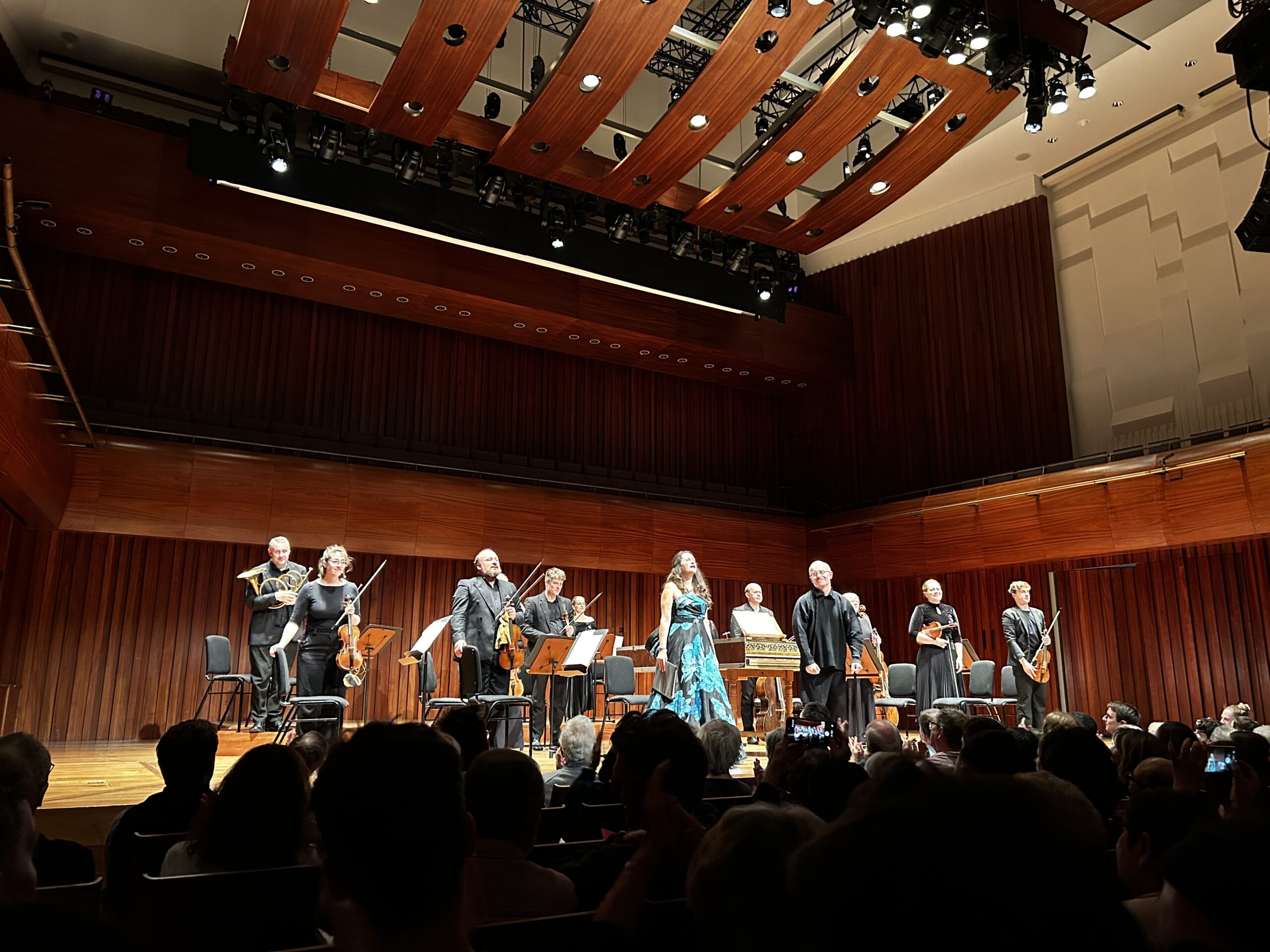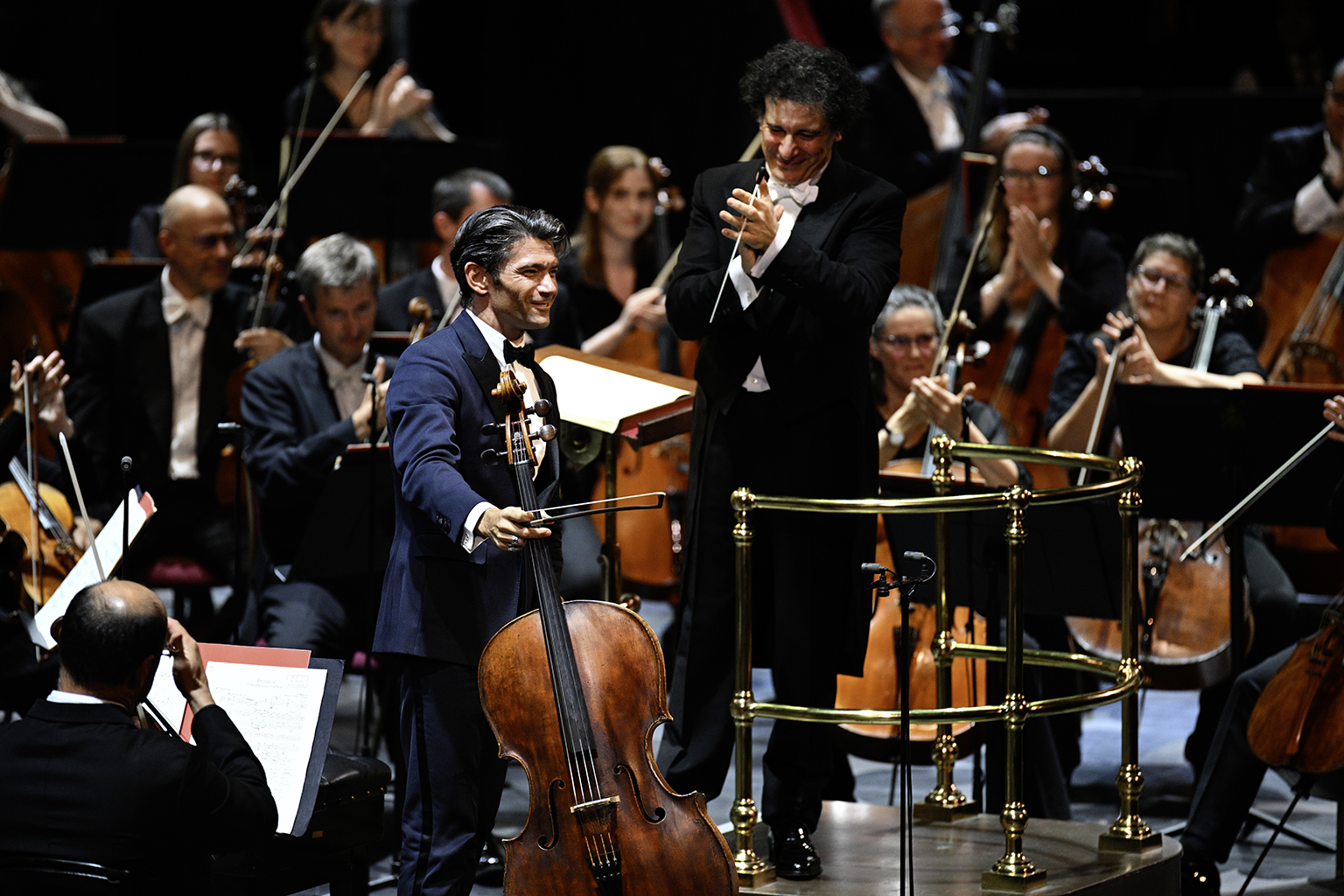
Gautier Capuçon plays Dvořák’s Cello Concerto with the BBC Symphony Orchestra — plus Stravinsky, Debussy’s Prélude à l’après-midi d’un faune and Varèse’s Amériques.
Programme
Stravinsky Symphonies of Wind Instruments (1947 version)
Dvořák Cello Concerto in B minor
Debussy Prélude à l’après-midi d’un faune
Varèse Amériques
Gautier Capuçon (cello)
BBC Symphony Orchestra
Conductor: Alain Altinoglu
Sunday 23 August 2026 · 7.30pm–c9.45pm
Royal Albert Hall
Listen on BBC Radio 3 / BBC Sounds
Preview
One of a handful of Proms programmes this year which has a discernibly interesting spine to it. The BBC Symphony Orchestra and conductor Alain Altinoglu examines key works from Europe and the US written between 100 and 120 years ago when things were in a state of compositional flux, it has to be said.
There are lots of echoes of Stravinsky’s Rite of Spring in the writing for Symphonies for Wind Instruments which effectively make this nine-minute concert opener and potent reminder to listen to the Rite (disappointingly its not programmed this year). Spikey, awkward and refreshing. Written between 1918 and 1921, Edgard Varese’s Ameriques has a Rite of Spring feel in its scale and visceral power but the musical language is different, often more romantic-sounding in comparison to Stravinsky. There are lots of references to the Rite too – listen out around 14’ in. It’s also got sirens in it. This musical evocation of New York City is a Big Boys Adventure story for the imagination.
Review
Dvorak’s Cello Concerto is best described as a curious performance. The balance in the radio mix leans heavily to the woodwind, clarinets prominent — a pleasingly refreshing detail. That balance becomes a problem, though, once the lack of alignment between Capuçon and the orchestra behind him becomes more obvious as lines move seemingly independently. In truth, the warning signs were there even before the soloist began, with resolute chords across the entire orchestra sounding decidedly wobbly. Capuçon takes his time in the expansive lines, laying out an interesting statement of intent. Still, this strategy is stymied at the points — at first occasional, then gradually frequent — where, forgive the technical speak, accelerandos are attempted, and different sections of the orchestra seem ill-at-ease determining what the desired speed is. One or two examples underline the jeopardy of live performance. But by the time this has recurred repeatedly within the first movement alone, it stops looking serendipitous and starts looking like something that wasn’t settled in rehearsal — whether that’s a strategy for the performance or a cross-word exchanged beforehand. A woodwind-heavy radio mix only emphasises it when it happens.
There’s jittery ensemble at the start of the second movement, too, with no soloist playing — which points more clearly to direction needed from the podium. The prominence of clarinet and oboe counter-melodies is interesting – far more than I’ve heard before in live or recordings of the work. If this mix choice is deliberate, then the innovation is overshadowed because of the inevitable hypervigilance that results from hearing blips and creases.
By the third movement, the earlier unsteadiness has become more characteristic than exceptional, and attention slips. Little wonder that when the final chord is reached, there’s a feeling like we’ve conquered rather than arrived. It’s the oddest, and surprisingly deflating, performance.
Capuçon’s encore — a piece from his new project Gaïa, in which 16 composers were invited to write music inspired by nature — is a hamfisted inclusion. Unfamiliar and new isn’t the problem; it’s the sense that he’s promoting something of his own rather than responding to the music that’s gone before. Capuçon introduces it as Bryce Dessner’s Towards the Forest, from an album peppered with pictures of the cellist in various snowy locations — access to which will no doubt have caused some harm to the environment. Musically, it sits well with Radio 3’s Unwind: mood over melody, light on substance, its earnestness feeling distinctly unearned after the main event that preceded it.
This review will be updated in due course.
Gallery