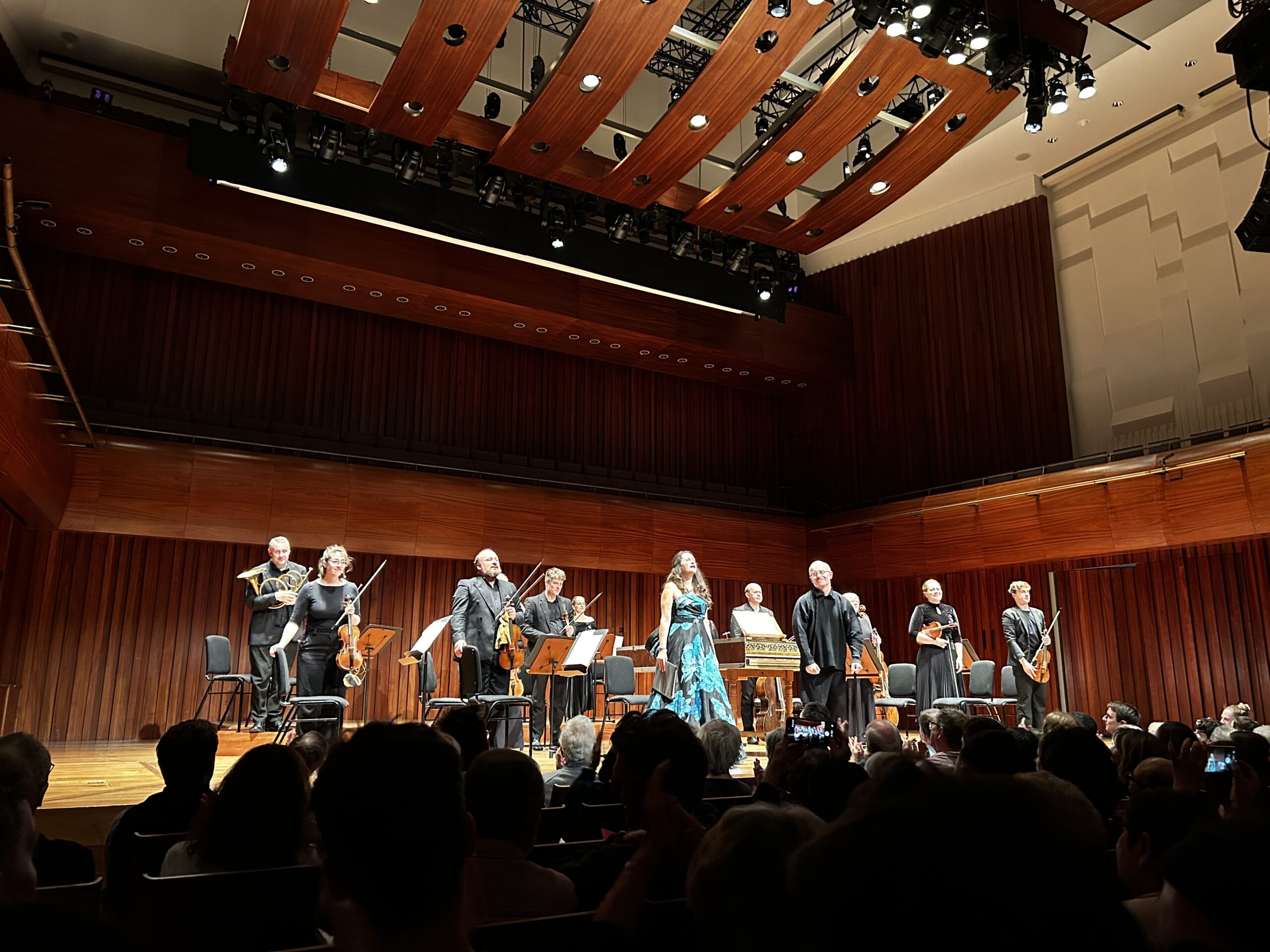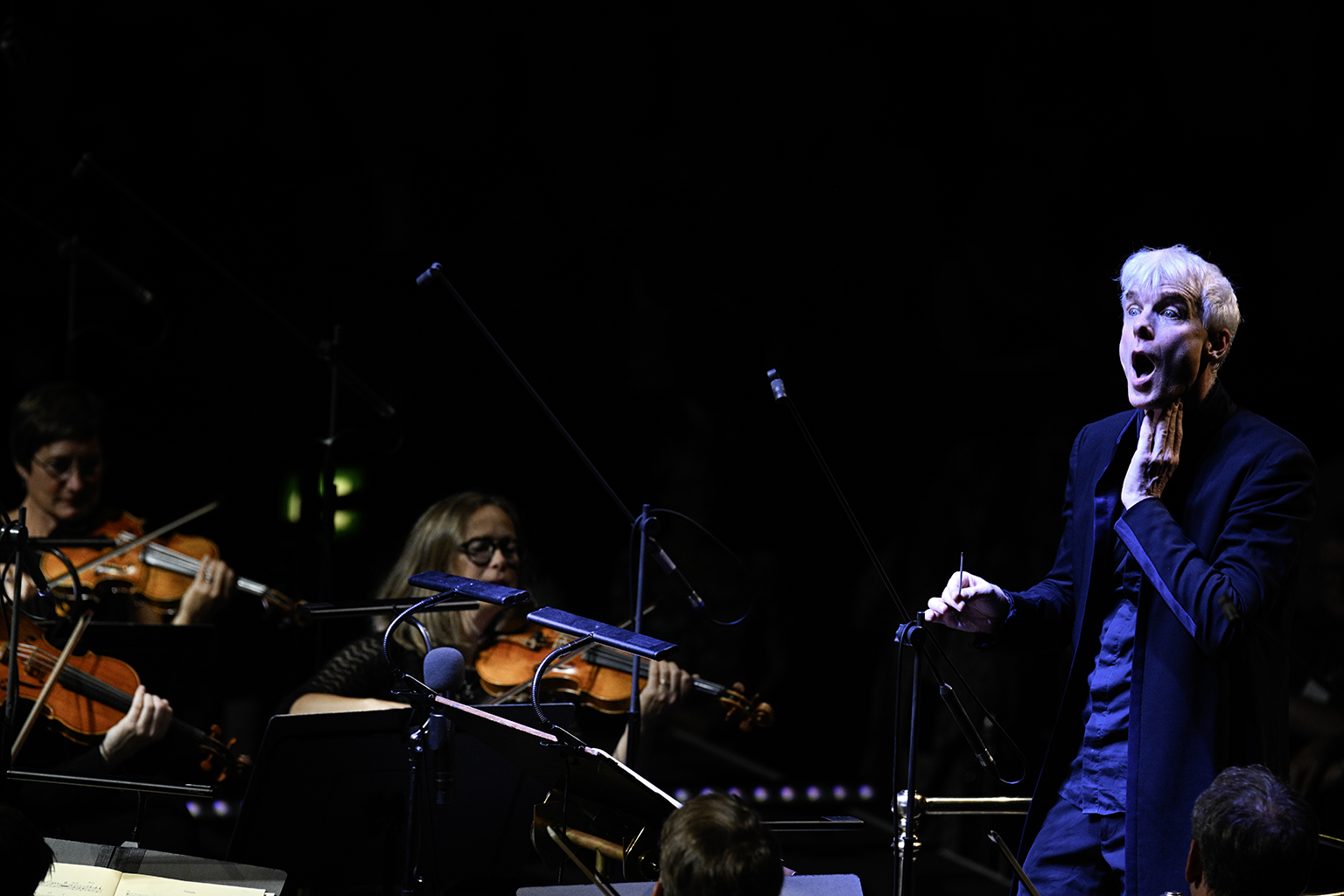
The Swedish Chamber Orchestra with Martin Fröst was immense fun. Invigorating. Different. Rewarding. It would have made brilliant TV (and presumably would have been cheaper than the LA Phil). It seems unfathomable it wasn’t recorded for broadcast.
Programme
Jacob Mühlrad Helix (BBC commission: world premiere)
Hans Ek DNA Suite (UK premiere)
Göran and Martin Fröst Nomadic Dances
Beethoven Symphony No. 7 in A major
Swedish Chamber Orchestra
Conductor/clarinet: Martin Fröst
Sunday 16 August 2026 · 11am–c1pm
Royal Albert Hall
Listen on BBC Radio 3 / BBC Sounds
Preview
The big draw for this concert with the Swedish Chamber Orchestra is clarinettist and conductor Martin Fröst, rebelliously unconventional, and someone who knowingly trades on it. This isn’t performative nonsense (even if the untrained eye might assume so) as the craft is front and centre. I’ve heard grown women scream and cheer for him in recitals, which made that particular Wigmore Hall recital quite an unexpectedly exhilarating affair. There are even anecdotes of underwear being thrown at him, though the pressure of time prevents rigorous corroboration of what might simply turn out to be urban myths. Fröst is a far cry from the 60s craze for British clarinettist Gervase de Peyer.
Expect entertaining new music on the programme too: Hans Ek’s DNA Suite takes Rameau, Bach and Handel and threads his own orchestrations and transitions between them — old material, rebuilt. Jacob Mühlrad’s Helix gets its world premiere here, a five-minute BBC commission. And there’s Nomadic Dances, co-written by Fröst and his brother Göran — so less “contemporary music from Fröst,” more a genuine sibling collaboration. It all deserved an evening slot, but instead got bumped to the 11am Sunday slot, which isn’t historically the most well-attended or most listened-to.
Review
This was immense fun. Invigorating. Different. Rewarding.
Much of that can be rooted in Fröst’s presence on stage. He is a theatrical type, seizing the opportunity to be on a stage to be the actor he likely would have been had music not got in the way. The poses will likely feel earnest and arch close-up, but bathed in coloured light with a live soundtrack playing out behind him, those sharp features and balletic moves downplay the dazzling virtuosity. Amid the voices, the choreography, and the mildly overworked scripted inserts, there is something undeniable in Fröst’s approach: he wants to entertain, but does so by being interesting in what he programmes, and what and how he plays.
The first half of the Swedish Chamber Orchestra’s ‘Beethoven and Baroque’ – a playlist of Baroque musical signposts arranged with a modern-day aesthetic by Hans Ek – picks out material that might have, did end up in, or might be found in Beethoven’s seventh symphony. Importantly, for this unexpectedly healthily attended 11 am concert, it’s a first half in which applause is requested to be held back until the end of the 38 minutes. All are very nearly compliant (confirming they’ve read the programme notes) until after the touching De torrent in via bibet from Handel’s Dixit Dominus, at which point Fröst thrusts a hand towards the cavernous auditorium, extinguishing nascent applause. What follows has a whiff of an earnest EBU arts commission, but its presence is, once we’ve pushed on through, still appreciated.
The Shai Wosner Bulgarian Gigue is a sparkling virtuosic display melding styles, worlds, and communities more cohesively than say Marsalis’ Concerto for Orchestra on Friday night, say. Ek’s arrangement of the subsequent Danse du grand calumet de la paix from Rameau’s Les Indes galantes has a sophistication all of its own, helped in no small part by a relentless jazz percussion line through the all-too-short three minutes.
Brother Goran Fröst’s Nomadic Dances is nearly ten years old now. The band doesn’t tire of it, clearly. The eleven minute work combines script and music in an entertaining theatrical depiction of an orchestra rebelling against its soloist. Theatrics that aren’t cringe. A rare accomplishment.
By the time the thanks were properly given for Anna Garde’s dancing and Ambra Succi’s choreography, we were nearing an hour for the first half. Longer than advertised, though it hadn’t overstayed its welcome. Bringing us back to the second half was a second run at Beethoven’s Seventh Symphony – unusual for it to be programmed so closely after the previous, largely disappointing one from the Los Angeles Philharmonic. All to play for, then. Nothing disappointed either.
With just under half the string players, the leaner sound demanded greater attention to detail. There appears to be no limit to the Swedish Chamber Orchestra’s resourcefulness in creating a range of textures and colours that make this a spirited, urgent, and gratifying performance. Sometimes, the comparatively smaller string forces result in sequences – particularly in the first movement – when the power is lost momentarily, though the payoff is hearing the sparser detail that can only come from a chamber group. The transition to the second movement seizes the moment and arguably takes us by surprise. The funeral march has the necessary pathos – the pianissimos are so imperceptibly quiet that the cooling fans for the stage lights are louder than the notes. The third movement scherzo leaps and bounds, charged with electrical energy that sometimes ever so slightly feels like it might run away with itself. But the most interesting statement is left until the final movement, where speeds are played with, modestly – a more sedate start before things let rip. This seems to state plainly that we are still very much in the country; if not in a town square, then certainly at some kind of community celebration where people’s legs are leaping up and down in wild abandon. There’s ingenuity too making every phrase work hard, even combining dynamic contrasts within each statement. Machine-gun staccatos abound from strings, brass and timpani in the exhilarating, light-footed conclusion. Fragments skitter from one string section to another before the grinding bass line jostles its way into the final mix.
This would have made brilliant TV. It seems unfathomable it wasn’t recorded for broadcast.
Gallery