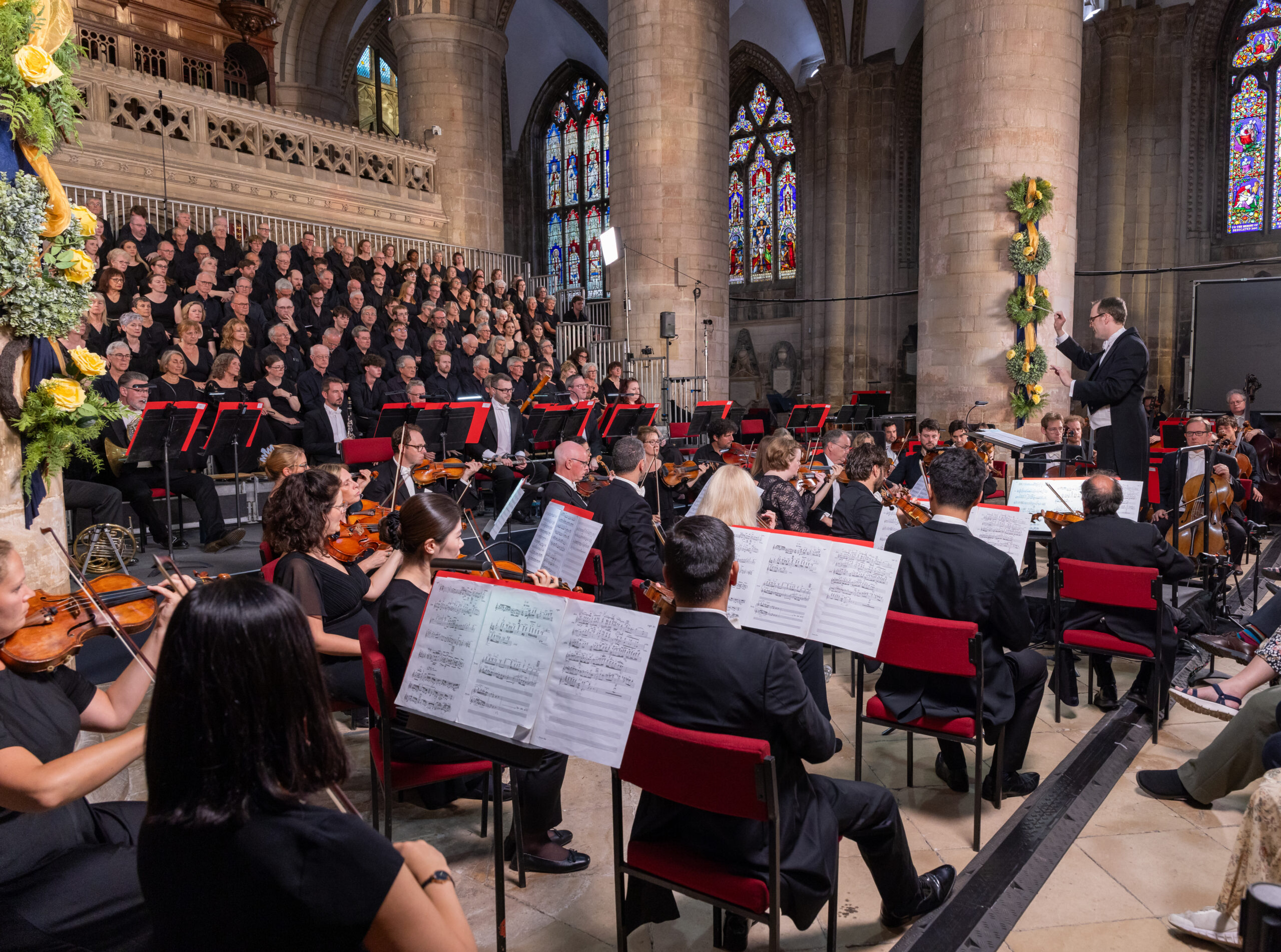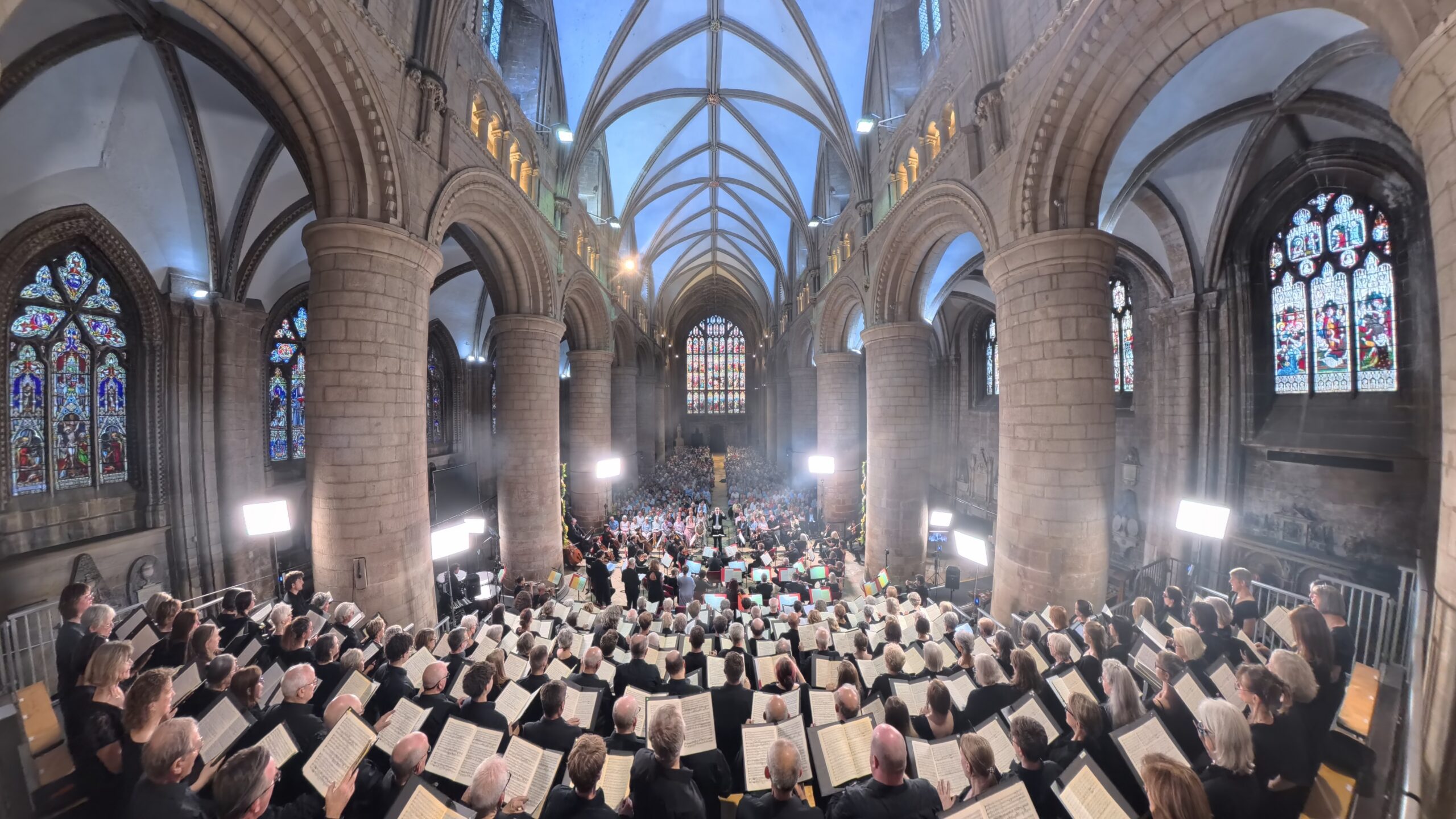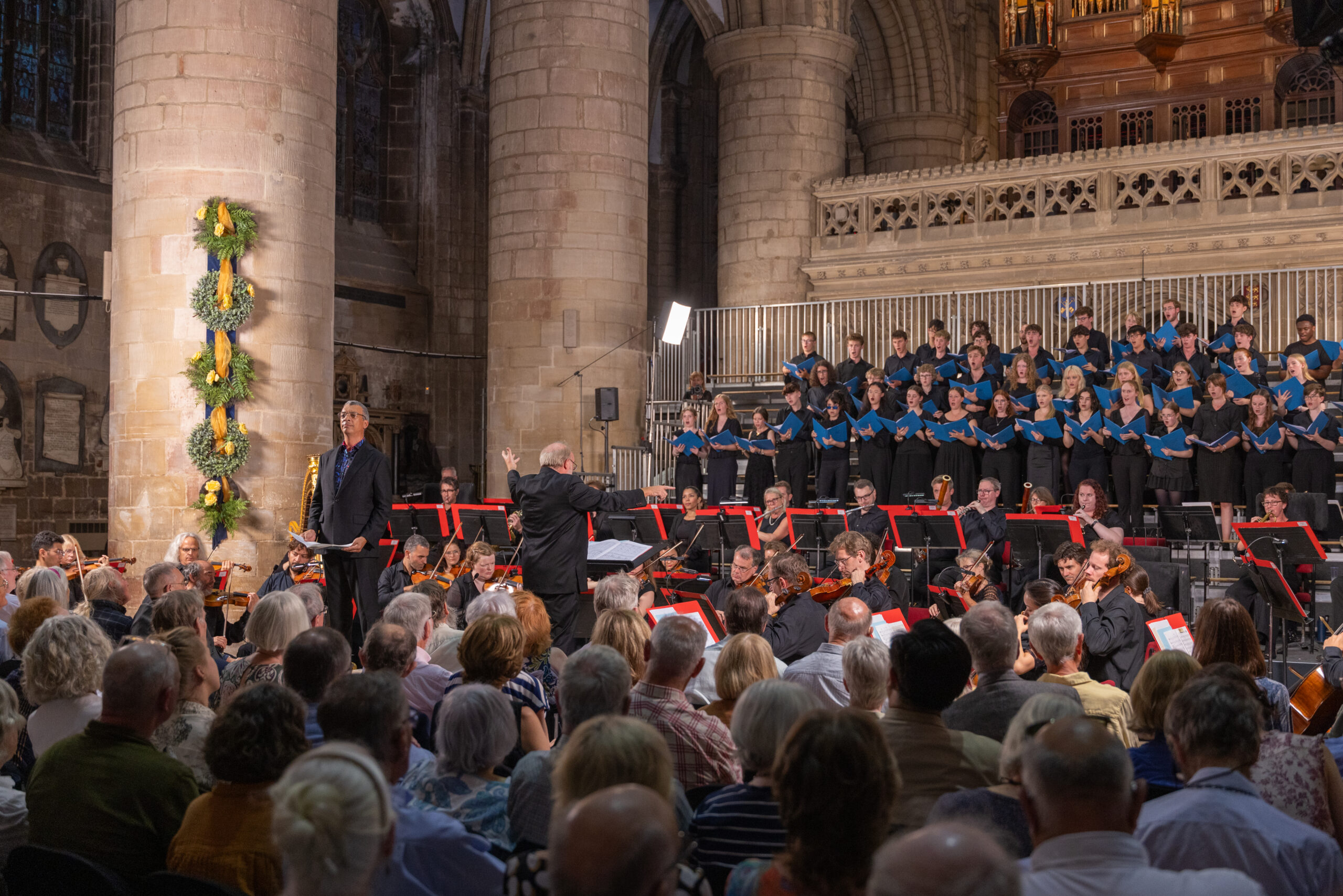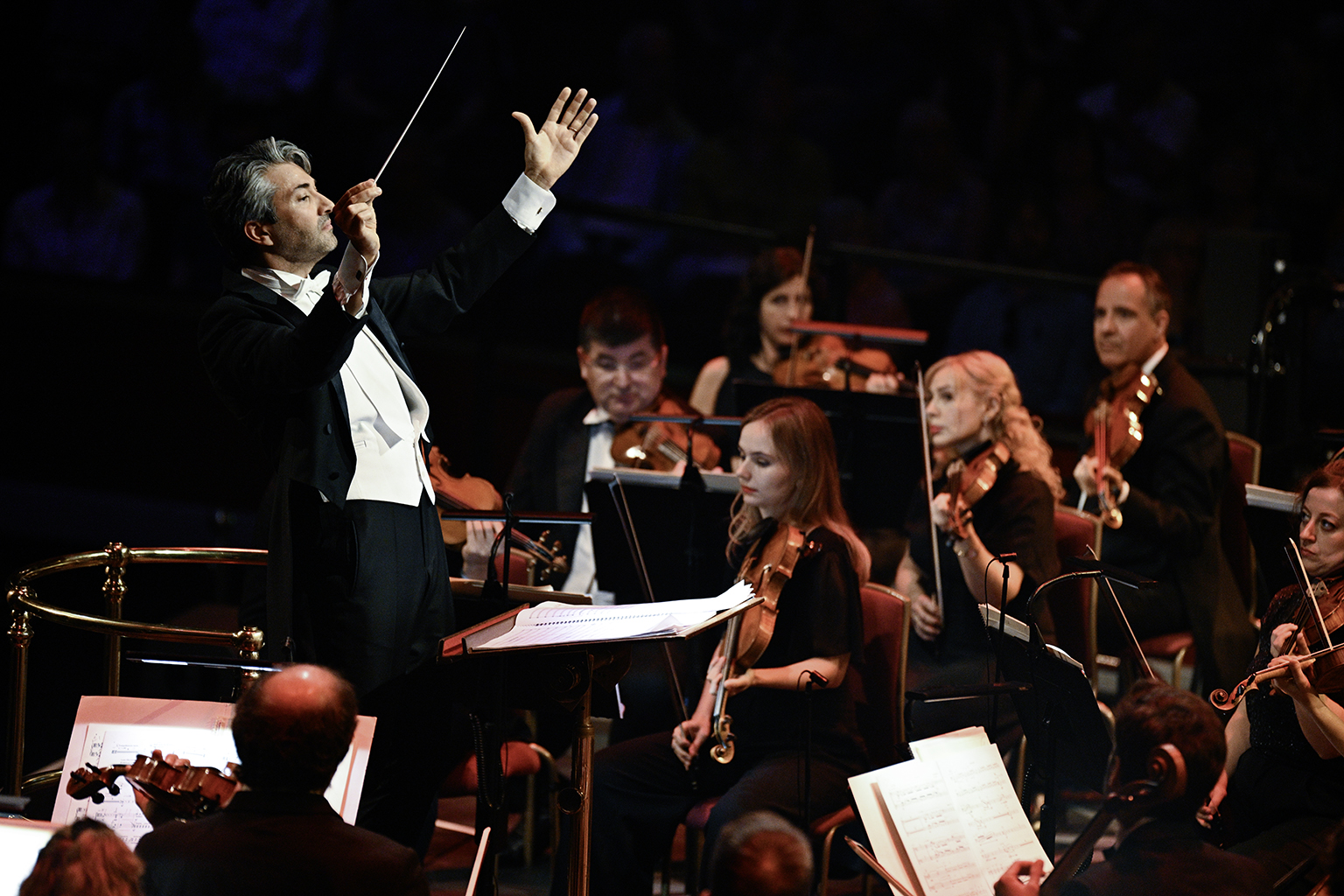
The Spanish National Orchestra makes its Proms debut with guitarist Rafael Aguirre in Rodrigo’s Concierto de Aranjue – its first appearance at the BBC Proms.

Programme
Ravel Alborada del gracioso
Falla, orch. Francisco Coll Fantasia baetica
Rodrigo Concierto de Aranjuez
Falla The Three-Cornered Hat – Suites Nos. 1 & 2
Ravel Boléro
Rafael Aguirre (guitar)
Spanish National Orchestra
Conductor: David Afkha
Sunday 19 July 2026 · 7pm–c9.15pm
Royal Albert Hall
Listen on BBC Radio 3 / BBC Sounds · Watch on BBC iPlayer (recorded for broadcast)
Preview
There was a time when, during a previous Controller’s tenure at Radio 3, Spanish guitar music was by repute, not heard on the network. Similarly so at the Proms where Rodrigo’s Concierto de Aranjuez last appeared 21 years ago in the Last Night. The concerto is about as well known as The Lark Ascending or Vivaldi’s Four Seasons, occupying something close to wallpaper status through sheer over-exposure. The Classic FM Hall of Fame (the radio station Radio 3’s current Controller used to run) did much to popularise the work. No surprise it’s back – it’s a gateway work. A no-brainer for the visiting Spanish National Orchestra, who are making their Proms debut this year.
The two suites that make up Falla’s The Three-Cornered Hat are the more interesting proposition — originally ballet music commissioned by Diaghilev for the Ballets Russes, which gives it a theatrical variety and edge that the Rodrigo, for all its charm, can’t quite match.
Ravel was famously less keen on his Boléro than audiences were. The thirteen-minute showcase for orchestra was his money-spinner — a work audiences wanted to hear. Another crowd-pleaser in a programme of fairly predictable works, the kind you’ve surely got to think most players would roll their eyes at knowing they’re required to play on an international trip.
Review
Free of the busyness of the First Night broadcast, opening with Ravel’s Alborada del gracioso gives us a chance to hear more detail in the orchestra — some of it down to the score, some to the brightness in the string playing. Loud flourishes have a pleasing crispness, where the contrasting quiets that underpin a melismatic bassoon solo line are almost imperceptible. There’s great energy and attack. The dynamic contrasts are delicious.
It’s the second time I’ve heard Francisco Coll’s arrangement of Falla’s Fantasia Baetica I realise when I sit down to listen to it. The first occasion was at the Aldeburgh Festival three years ago. I find myself in the slightly odd position of being able to read my own summary of a performance without cringing. The Falla is a much more convincing scene-setter, in what is more broadly a lacklustre programme built for broadcast rather than anything especially artistic. There’s a dusty warm string sound, judicious flutter tonguing in the flutes, and a distinct frog-like sound that works well on broadcast. Scratchy piccolos contrast well with reverberating double basses, and glissandi xylophone. Though there are mild ensemble issues between wind and strings at 19’15” and a few other places, Coll’s orchestration achieves what it did in 2023 on a second listen, and benefits from the mics close and the levels up.

Rodrigo’s Concerto is adequate, precise (it needs to be) and detailed. Everything sounded like it came from the fingers. Fingernails feel sharp. The sound is crisp. Its unapologetic sentimentality has rendered the work impotent. If Vivaldi’s Four Seasons is dismissed as wallpaper, then Rodrigo’s Concerto is magnolia paint. It’s at this point I’m thinking, who are the Spanish National Orchestra? Why does no one really speak of them? Why has it taken them this long to appear at the Proms? Why now?
In the Three Cornered Hat suites, the orchestra is at its best – rich strings, as though every instrument is being strummed, blistering yet contained horn cues, percussion is taut and crisp, woodwind leans heavily toward the lower end – the cor anglais doing a lot of work in all the right places. The sound is pit-band dry. In the slow, more whimsical sequences, there’s almost a sense we’re listening to a piece of musical theatre. What impresses most is the range of textures and colours that are summoned in such a short space of time. The opening string sequence before the oboe solo in The Miller’s Dance has the strings playing with a pleasing metallic edge minus the slushy romantic take some orchestras deliver.
For all my carping about the programme, it is Ravel’s Bolero which piques my interest and largely holds my attention. It’s taken me until this point in my life for me to realise that the Bolero is essentially musical rhetoric on a grand scale. The equivalent of an annoying relative (or blogger) carping on about the same thing over and over and over again until finally everyone gives in and agrees to their terms. In this performance, the responsibility falls on the woodwind who transform the opening exchanges with distinct voices, colours, timbres and even in some places temperatures. A heady low flute throws to a chilly reserved clarinet, then an awkward bassoon, after which proceedings thaw—a warm plump cor anglais sound does a lot of the work here. The combination of these four lines does much to define the orchestra and the concert, and makes me think again about the work. That it works so well and so strikingly points to the miracle of the work. It also indicates how the conductor is called upon to devolve responsibility to a group of soloists who themselves must arrive at a storytelling consensus. When the strings make their presence known more readily, the electricity of the opening is somehow lost—as though the scale of the orchestration has created so much weight that the opportunities for nuance have been lost. Come the final climax we’ve been building towards for 8 minutes, the final step towards the summit feels like a pyrrhic victory.
Gallery